Mercosur Explores Trade Opportunities with Asia Amid Global Economic Shifts
Paraguay, a key member of Mercosur, is actively pursuing strategic trade partnerships with Asian economies as global trade dynamics evolve. Analysts highlight the potential for enhanced diplomatic relations that could boost economic growth in the region.
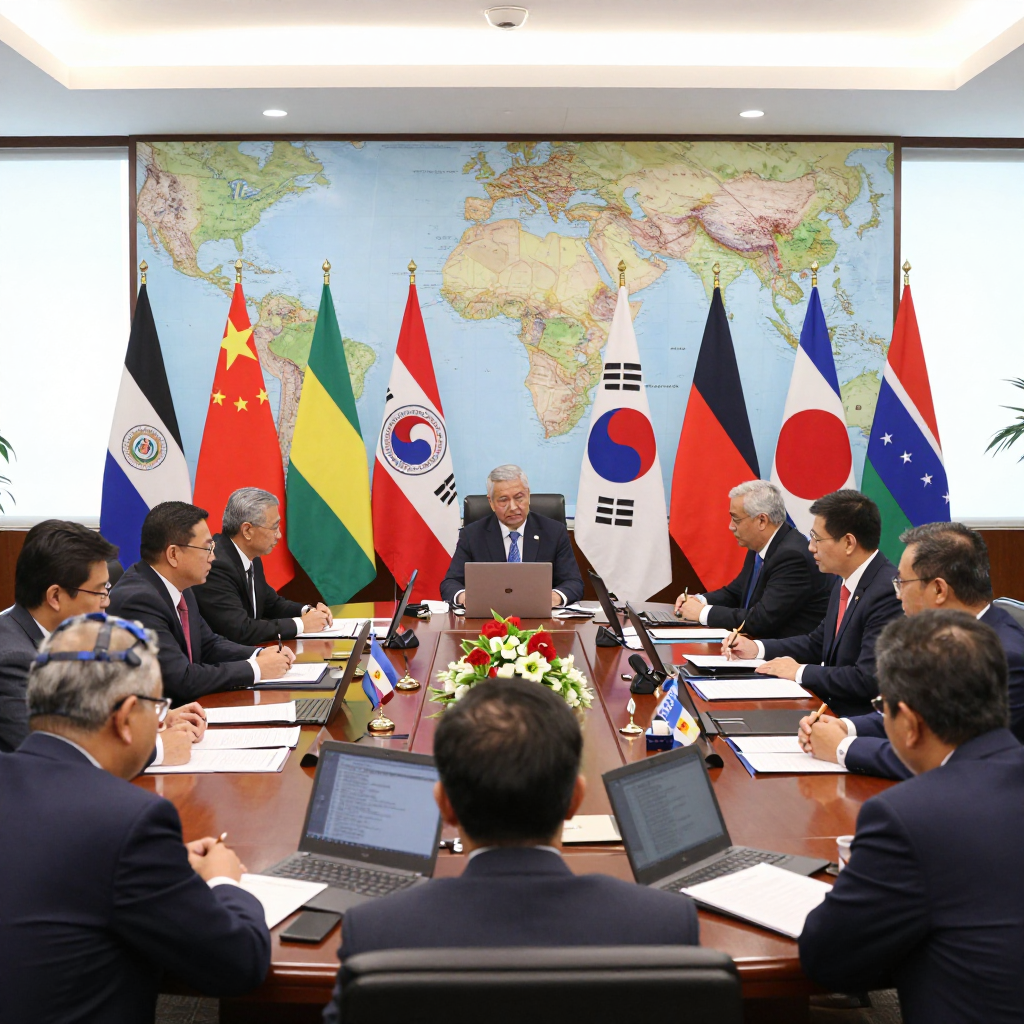
As the global trade landscape continues to shift, Paraguay, a significant participant in the Mercado Común del Sur (Mercosur), is positioning itself strategically to capitalize on emerging opportunities in Asia. This move aligns with broader regional objectives within Mercosur, which seeks to diversify its trade relationships beyond traditional partners in Europe and North America. The country's recent diplomatic outreach to nations such as China, South Korea, and Japan underscores its ambition to strengthen economic ties and leverage its rich agricultural resources to meet growing international demand.
Paraguay's focus on Asia reflects a broader trend among Mercosur members to explore new markets amidst challenges posed by rising protectionism and trade tensions worldwide. Driven by the need to enhance export diversification, Paraguay has been engaging in high-level talks aimed at negotiating preferential trade agreements and investment frameworks. These efforts are particularly focused on sectors such as agribusiness, where Paraguay holds competitive advantages, including soybeans, beef, and forestry products. According to government officials, these discussions are not only about expanding market access but also fostering closer cultural and diplomatic exchanges that could lead to long-term alliances.
The regional implications of these initiatives are significant. As Mercosur continues to navigate uncertainties surrounding Brexit and US trade policies, strengthening ties with Asia offers a pathway to mitigate risks associated with trade volatility. For Paraguay, this strategy represents a critical opportunity to reduce dependency on established trade corridors and increase its overall economic resilience. However, analysts caution that while the potential benefits are substantial, successfully implementing these agreements will require overcoming logistical, regulatory, and infrastructural challenges.
On the domestic front, Paraguay’s pursuit of Asian trade partnerships has sparked discussions about necessary reforms to improve trade facilitation and competitiveness. The government has highlighted plans to invest in transportation infrastructure, modernize customs processes, and enhance food safety standards to meet the requirements of Asian importers. Furthermore, the private sector is increasingly involved in shaping these strategies, emphasizing the importance of public-private collaboration to maximize the benefits of new trade deals.
In conclusion, Paraguay's engagement with Asia marks a strategic pivot within Mercosur's evolving trade agenda. While challenges remain, the potential rewards—ranging from increased exports to strengthened diplomatic ties—are driving the country forward. As the global economy continues to reconfigure, Paraguay’s proactive approach positions it as a key player in reshaping regional integration and global trade relations.