Paraguay Advances in South American Football: Opportunities and Challenges Ahead
As Paraguay gears up for the upcoming Copa América, the nation's football scene reflects both growth and challenges within the region. The South American powerhouse is leveraging its position in Mercosur to enhance infrastructure and attract international attention.
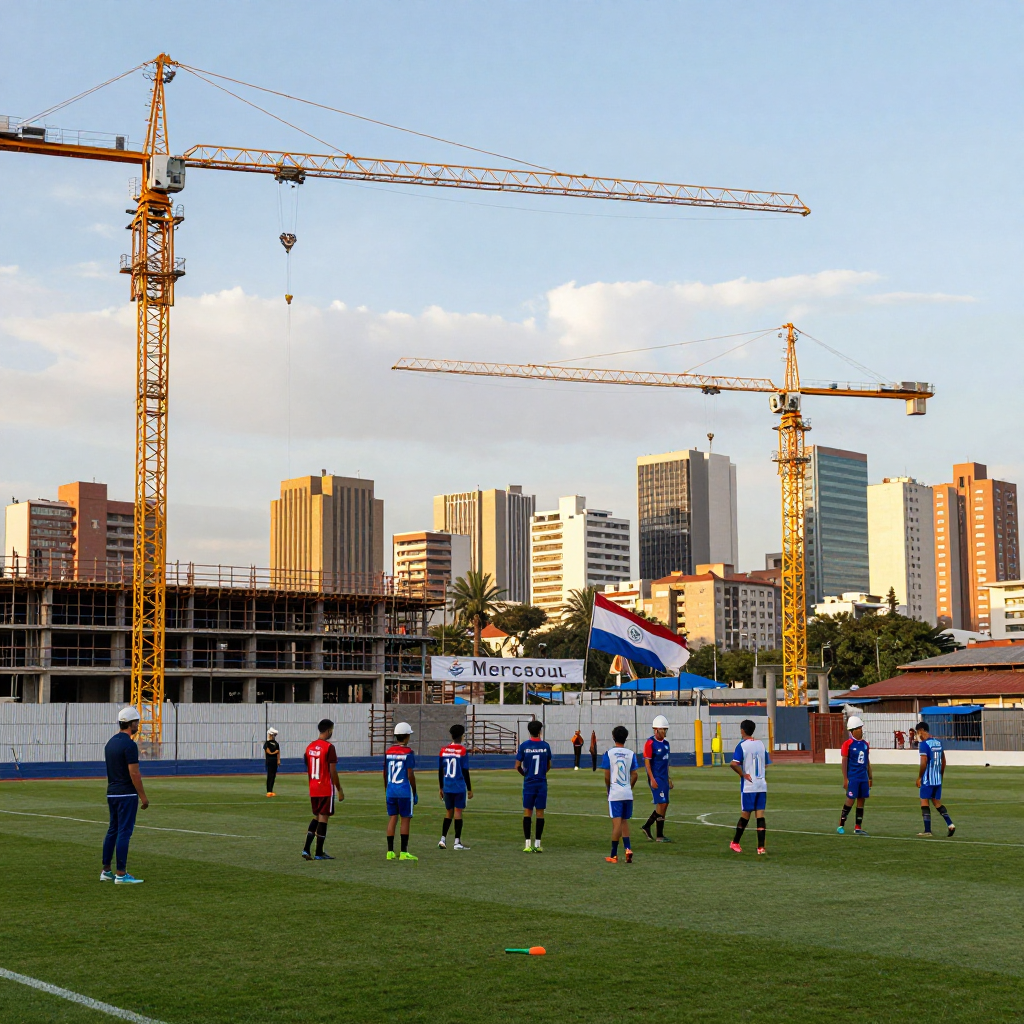
In the bustling heart of South America, Paraguay's football landscape is evolving against the backdrop of regional integration and economic shifts. As the country prepares to host matches in the upcoming Copa América, there is a palpable buzz surrounding its potential to elevate its standing in international football. The tournament, bringing together the continent's top teams, provides a unique opportunity for Paraguay to showcase its talent while strengthening ties within Mercosur nations.
Economically, Paraguay's participation in Mercosur has facilitated increased trade and investment, which has indirectly benefited its sports sector. Infrastructure projects, including new stadiums and training facilities, are being fast-tracked with support from neighboring countries such as Brazil and Argentina. These developments not only enhance the local football experience but also position the country as a potential hub for future continental and international tournaments.
However, Paraguay faces significant challenges in maintaining sustained interest in its national team beyond high-profile events. Analysts suggest that consistent performance at international levels could lead to greater visibility and commercial opportunities, attracting global sponsors and improving the domestic league's competitiveness. The need for strategic investments in youth development programs remains critical to ensuring long-term success.
From a geopolitical standpoint, Paraguay's role in Mercosur underscores the importance of regional collaboration in sports. Participation in tournaments like the Copa América fosters stronger diplomatic relations and cultural exchanges, aligning with the broader goals of the bloc. As football transcends borders, Paraguay’s efforts to integrate into the regional sporting ecosystem could serve as a model for smaller nations aspiring to make their mark.
Looking ahead, Paraguay’s trajectory in football will be closely monitored by both local fans and international stakeholders. With the right strategies in place—balancing infrastructure development, talent nurturing, and strategic partnerships—the nation could emerge as a key player in shaping the future of South American football. As the Copa América approaches, eyes will be on Paraguay to see how it leverages this moment to solidify its position on the world stage.