Paraguay Advances Regional Integration Efforts Amid Economic Challenges
The Paraguayan government has taken steps to bolster its economic ties within Mercosur, aiming to stabilize its economy while addressing domestic fiscal pressures. Analysts highlight the potential impact on businesses operating in the region.
Asunción, Paraguay – In a strategic move to enhance regional integration and attract foreign investment, the Paraguayan government recently introduced several measures aimed at strengthening its economic position within Mercosur. These initiatives come as the country faces ongoing fiscal challenges, including rising public debt and inflationary pressures, which have prompted policymakers to seek growth drivers from regional partnerships.
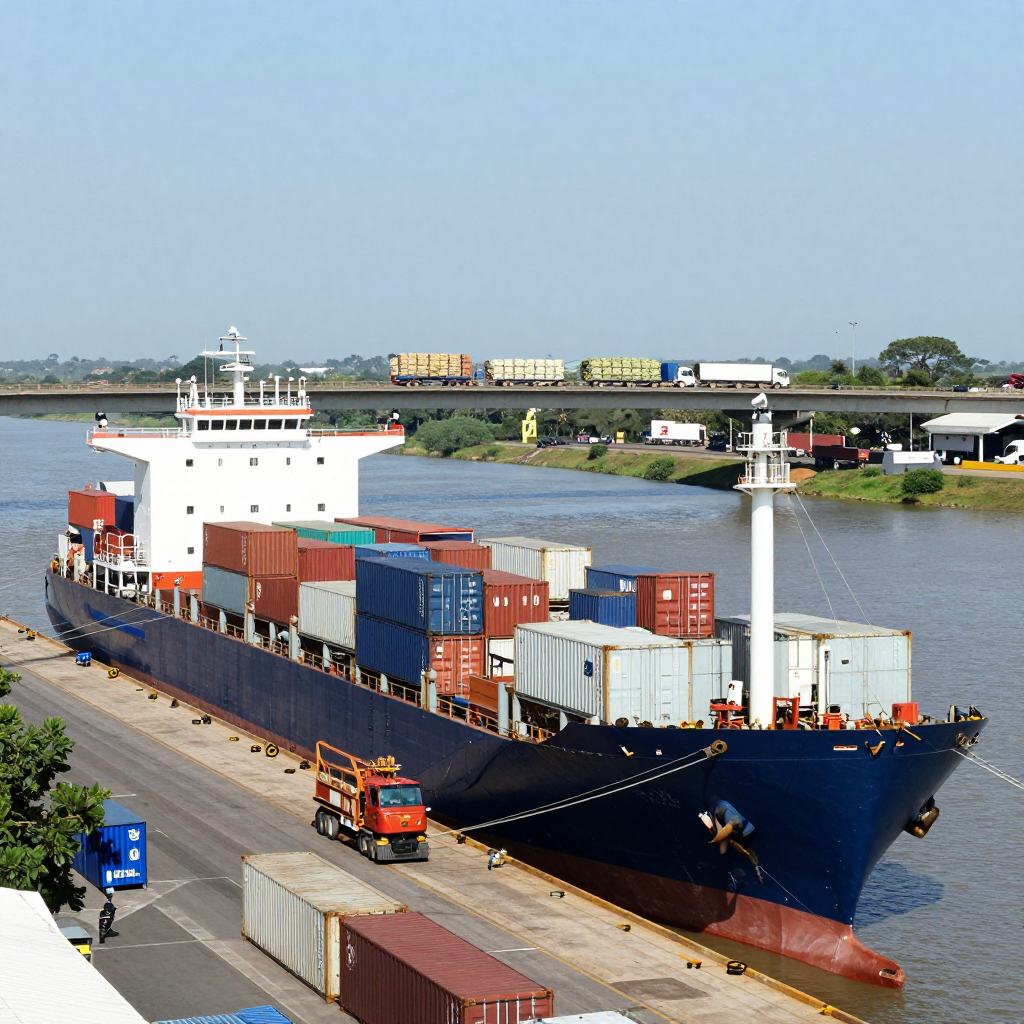
Key among these measures is Paraguay's emphasis on revamping its infrastructure to facilitate trade with neighboring Mercosur countries, such as Brazil, Argentina, and Uruguay. The government has announced plans to modernize ports and transportation networks, key components in connecting Paraguay’s agricultural exports more efficiently to global markets. This effort aligns with broader Mercosur goals of improving intra-regional trade and reducing logistical bottlenecks that have historically affected supply chains in the Southern Cone.
Political developments in Congress have also reflected a push toward greater economic openness. Recent debates centered around potential tax reforms to simplify regulations for foreign direct investment (FDI) and incentives for businesses investing in technology and green energy sectors. While these proposals remain under discussion, they signal a shift toward policies that could attract more sustainable investments. Observers note that Paraguay’s proactive stance on renewable energy—particularly hydropower—positions it as a potential energy exporter within Mercosur, complementing Brazil's role as a leading producer.
However, analysts caution that Paraguay's economic recovery hinges not only on regional dynamics but also on resolving domestic issues such as fiscal discipline and administrative efficiency. The government has implemented austerity measures and sought to streamline public spending, yet questions linger about their effectiveness amid growing public dissatisfaction over service delivery and economic inequality. Moreover, Paraguay's reliance on soybean and cattle exports exposes it to external market volatility and climate risks, underscoring the need for diversification efforts.
From a regional perspective, Paraguay's progress in harmonizing its economic policies with Mercosur members could set a precedent for smaller economies looking to leverage larger regional blocs for stability. However, the country must navigate geopolitical tensions within the bloc, particularly given recent shifts in Brazil's leadership and Argentina's financial instability. Paraguay’s ability to balance domestic reforms with regional commitments will be critical in determining its long-term economic prospects and its appeal as a destination for international investors.