Paraguay Advances Trade Integration Efforts Within Mercosur
The Paraguayan government has taken steps to enhance economic integration within Mercosur, aiming to boost trade and attract foreign investment. Analysts highlight the potential benefits for businesses and the broader economy as Paraguay seeks to strengthen its regional ties.
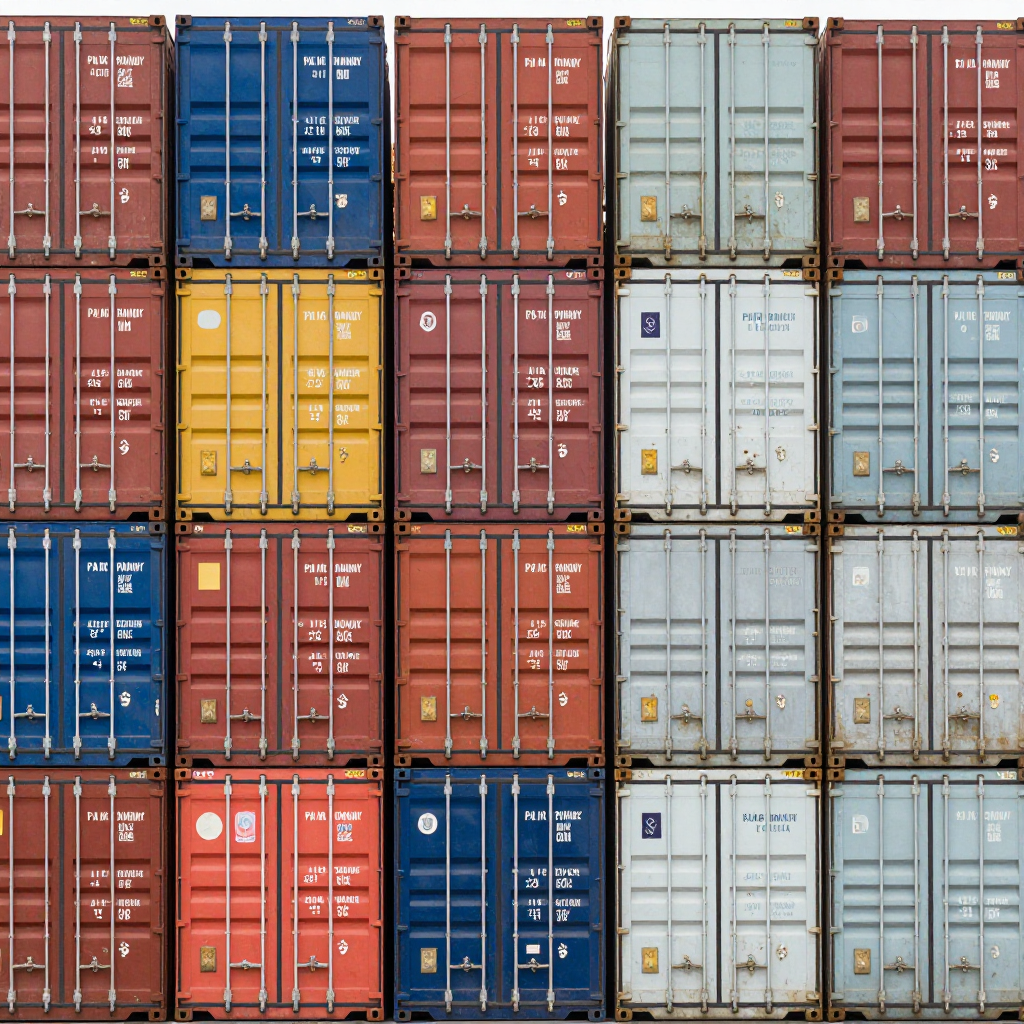
Asunción, Paraguay – In a move that underscores its commitment to regional cooperation, the Paraguayan government has recently announced several initiatives aimed at deepening its integration within Mercosur, the South American trade bloc. These efforts come at a critical time for Paraguay, as the country seeks to expand its economic horizons and position itself as a key player in the region’s evolving trade landscape.
Leading the charge is a series of policy reforms designed to simplify customs procedures and align Paraguay’s regulatory frameworks more closely with those of its Mercosur partners. This includes streamlining border controls and reducing bureaucratic hurdles that have historically impeded cross-border trade. “By harmonizing our regulations with Mercosur standards, we aim to create a more unified market that benefits both domestic and international businesses,” said an official from the Ministry of Economy and Finance, speaking during a recent press conference.
These measures are part of a broader strategy to capitalize on Paraguay’s geographical advantages and strategic location within the Mercosur region. The country, already a hub for agricultural exports and energy production, could see significant growth in sectors such as manufacturing and logistics if successful integration is achieved. "The focus is on leveraging Paraguay’s resources and infrastructure to become a vital link in the regional supply chain," explained经济分析师亚历杭德罗·罗德里格斯(Alejandro Rodriguez),一位专注于南美市场的经济学家。
For businesses operating in Paraguay, the anticipated changes could lead to reduced costs and increased efficiency. Companies involved in agriculture, particularly soybean and beef production, stand to gain from improved access to Mercosur markets. Moreover, the energy sector, buoyed by Paraguay’s status as one of the world’s largest producers of hydroelectric power, may benefit from greater cross-border trade opportunities in renewable energy technologies and services.
However, challenges remain. Analysts point out that Paraguay will need to address longstanding issues such as corruption, infrastructure deficiencies, and inconsistent enforcement of laws to fully realize the benefits of deeper integration. Additionally, Paraguay’s smaller economy compared to its Mercosur counterparts—Brazil, Argentina, Uruguay, and now Venezuela—poses risks related to market competition and dependency.
Despite these challenges, the government remains optimistic. “We recognize the complexities involved, but we are committed to pursuing sustainable growth through regional collaboration,” noted Minister of Foreign Affairs Luis Alberto Cardozo. "Our goal is not just economic integration but also social and cultural enrichment, which we believe will ultimately strengthen Paraguay’s position in the global marketplace."
Regional observers view Paraguay’s actions as a positive step toward enhancing Mercosur’s cohesion and competitiveness. With renewed focus on integration, the country aims to play a more prominent role in shaping the future of the trading bloc, potentially influencing policies that could have far-reaching impacts on business and investment flows across South America.