Paraguay Congress Approves Key Economic Reforms Amid Regional Trade Tensions
The Paraguayan Congress has passed legislation aimed at boosting economic growth and attracting foreign investment, as the country navigates complex trade relations within the Mercosur bloc. Analysts highlight the potential impact on businesses and the broader regional economy.
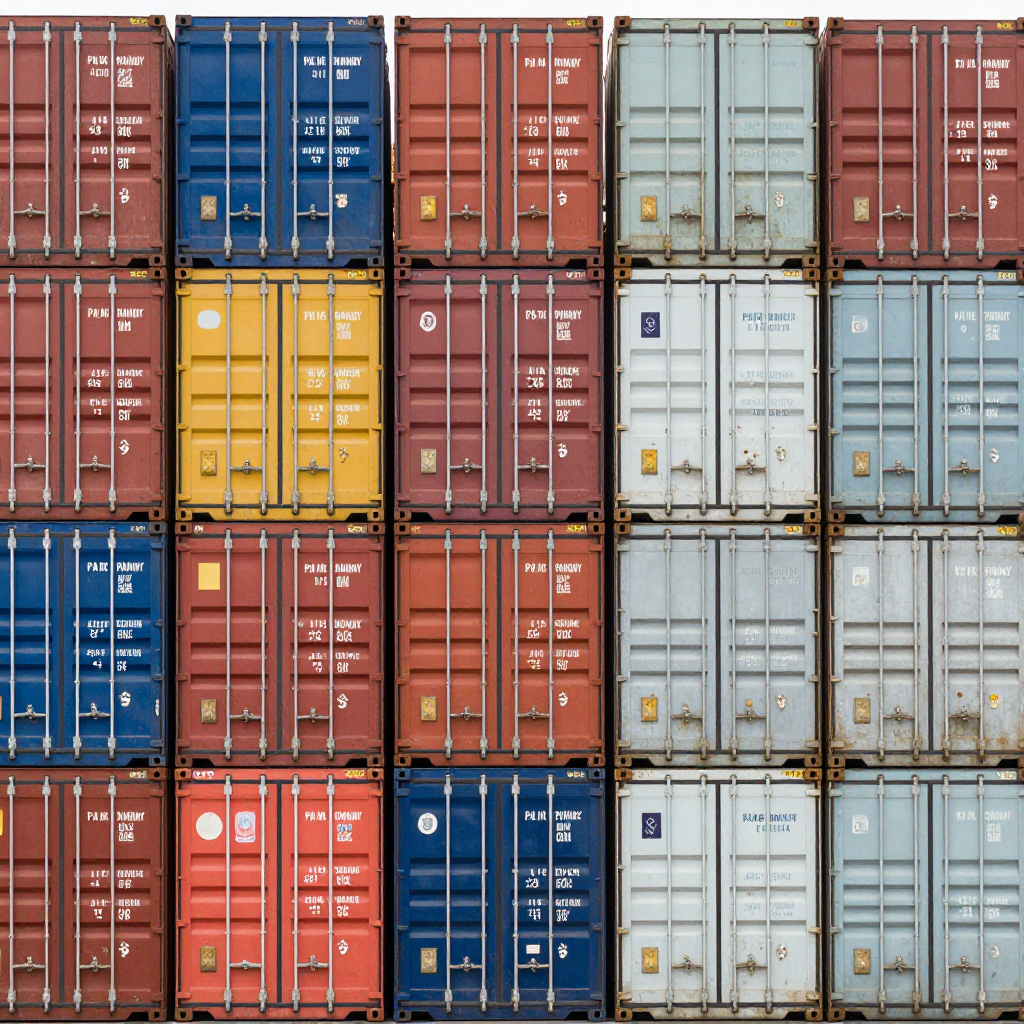
Asunción, Paraguay – In a move that could significantly influence its economic trajectory, the Paraguayan Congress recently approved a set of comprehensive reforms targeting key sectors such as agriculture, energy, and infrastructure development. These measures aim to strengthen the nation's competitiveness while addressing longstanding challenges that have hindered robust growth. The reforms come at a critical time as Paraguay seeks to balance its commitments within the Mercosur trade bloc against the need to diversify its economic partnerships globally.
The newly enacted policies include reductions in corporate tax rates for select industries, streamlined regulatory processes for foreign direct investment, and incentives for renewable energy projects. These steps are part of a broader strategy to enhance economic resilience and attract capital from both traditional Mercosur partners such as Brazil and Argentina, as well as emerging markets outside the region. "These reforms signal a clear shift towards making Paraguay a more attractive destination for international investors," said Carlos Gómez, Chief Economist at the Asunción-based think tank Centro de Análisis Económico. "However, the success will depend on effective implementation and continued engagement with regional partners."
Mercosur dynamics play a pivotal role in this context, as Paraguay remains deeply integrated into the South American trade alliance. Recent tensions within the bloc over tariff disputes and trade policies have raised concerns about potential disruptions to Paraguay's export-oriented industries, particularly agribusiness. "While the reforms are promising, they must be complemented by efforts to resolve ongoing disagreements within Mercosur," noted María Fernández, a trade analyst based in Buenos Aires. "Failure to do so could limit the benefits Paraguay hopes to achieve through these changes."
Locally, businesses have responded cautiously yet positively to the new policies. Leading chambers of commerce, such as the Central Chamber of Commerce of Paraguay (CCP), have expressed support but emphasized the importance of maintaining balanced trade relationships. "We welcome the government’s efforts to modernize our economic framework," said Juan Pérez, President of the CCP. "However, we urge policymakers to ensure that these reforms align with Mercosur obligations to protect our domestic market."
In the global arena, analysts view Paraguay’s actions as part of a broader trend among smaller economies seeking to leverage their strategic位置 to attract investments. With growing interest from Asian and European markets, Paraguay’s ability to maintain a delicate equilibrium between regional commitments and global opportunities will be crucial. "Paraguay is positioned to benefit from its unique geographic and economic characteristics," observed Emily Chen, Senior Analyst at Asia-Pacific Investments. "But it must navigate these waters carefully to avoid alienating either its Mercosur partners or potential new partners abroad."
As implementation progresses, observers will closely monitor how these reforms translate into tangible outcomes for businesses and the overall economy. Paraguay’s approach to balancing regional integration with external diversification could serve as a model for other small economies navigating similar challenges. The next few months will likely see increased activity in sectors targeted by the reforms, setting the stage for what could be a transformative period for Paraguay’s economic landscape.