Paraguay Embraces Cultural Preservation Amid Economic Growth
As Paraguay navigates its economic development within the Mercosur trade bloc, the country is also focusing on preserving its rich cultural heritage. Efforts to promote traditional arts and indigenous languages aim to balance modernization with cultural preservation.
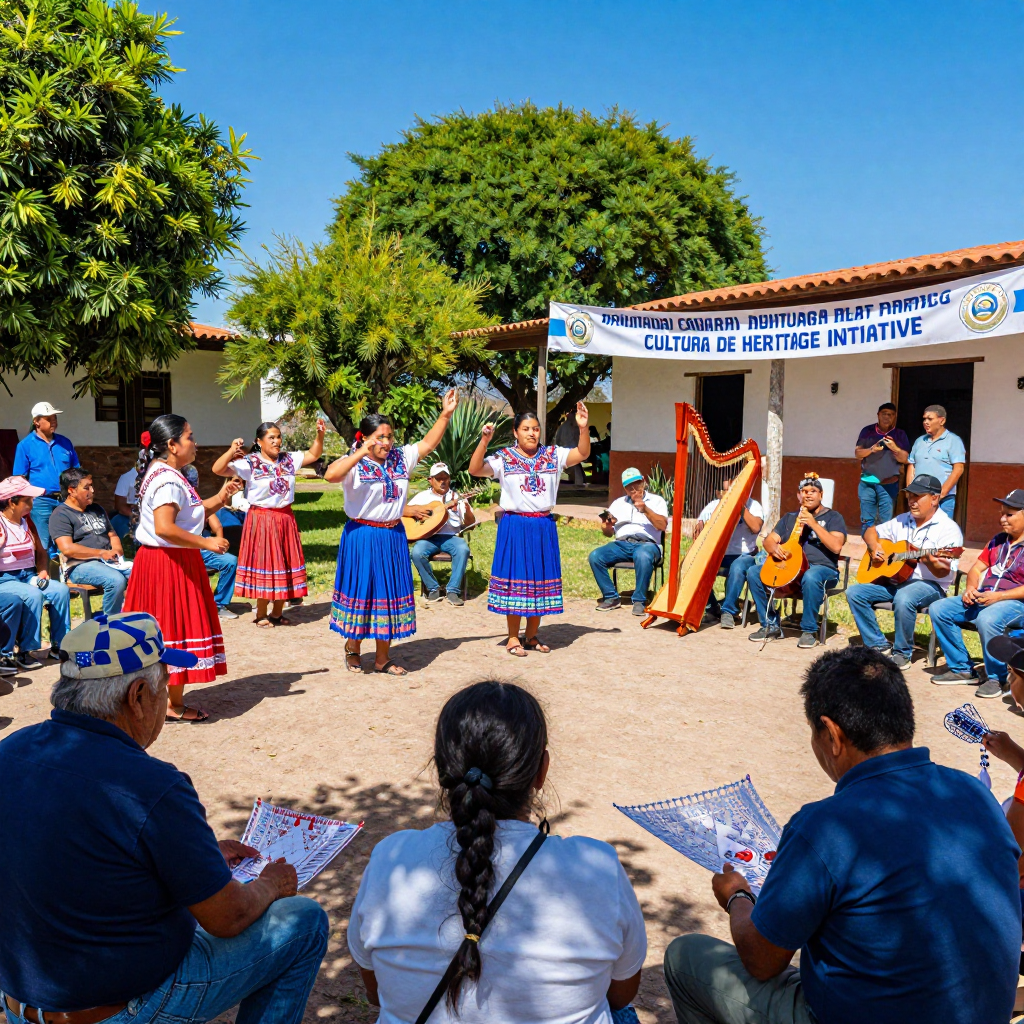
Paraguay, a landlocked nation at the heart of South America, is emerging as a beacon of cultural resilience amidst rapid economic changes. Situated at the intersection of diverse cultural influences, Paraguay has long been defined by its unique blend of Guarani and Spanish traditions. Now, as the country seeks to capitalize on its strategic position within the Mercosur trade bloc, it is actively engaging in initiatives to preserve and promote its cultural identity.
The recent launch of the 'Cultural Heritage Initiative' by the Ministry of Culture highlights Paraguay’s commitment to safeguarding its intangible assets. This initiative focuses on revitalizing traditional crafts, music, and dance forms, which are integral to Paraguay’s national identity. In particular, efforts are being directed towards preserving the Guarani language, which is spoken by over half of the population. The Guarani language, along with its rich oral storytelling tradition, is seen as a vital link to the country’s pre-colonial history and indigenous roots.
Economic growth in Paraguay, driven by increased agricultural exports and infrastructure projects, has brought challenges and opportunities for cultural preservation. Analysts suggest that while economic development often leads to cultural homogenization, Paraguay's proactive approach could set a precedent for other Mercosur nations. The government is partnering with NGOs and international organizations to fund programs that teach Guarani in schools, organize cultural festivals, and digitize archives of traditional art and music.
Regional implications are significant, as Paraguay's cultural efforts may influence other Mercosur countries facing similar tensions between globalization and local identity. The Southern Cone region, including Brazil, Argentina, and Uruguay, shares a history of indigenous cultures and colonial legacies. As Paraguay demonstrates the integration of cultural preservation with economic strategies, it could inspire collaborative initiatives across the bloc.
In the capital city of Asunción, the cultural shift is palpable. The newly renovated National Museum of Art now hosts regular exhibitions of traditional Guarani textiles and pottery, drawing both locals and tourists. Additionally, the annual Asunción Cultural Festival has expanded to include workshops on indigenous crafts, attracting participants from across Mercosur. These events not only celebrate Paraguay's heritage but also serve as platforms for economic exchange, showcasing artisan goods to an international market.
Critics argue that more funding and enforcement are needed to ensure sustainable cultural preservation. However, proponents emphasize that Paraguay’s focus on integrating cultural heritage into economic planning reflects a long-term strategy. By promoting traditional arts and languages, the country aims to attract cultural tourism and create new revenue streams, thereby strengthening its economy without compromising its cultural identity.
As Paraguay continues its journey within the Mercosur framework, balancing economic aspirations with cultural authenticity remains a central challenge. The initiatives underway signal a forward-thinking approach that could redefine the way developing nations navigate global integration. For Paraguay, preserving its cultural heritage is not just a matter of identity; it is an essential component of sustainable development and regional leadership.