Paraguay Embraces Digital Transformation Amid Regional Integration
Paraguay is accelerating its digital transformation efforts, driven by growing investments in telecommunications infrastructure and a burgeoning startup ecosystem. This push aligns with broader regional initiatives and could bolster its role within Mercosur.
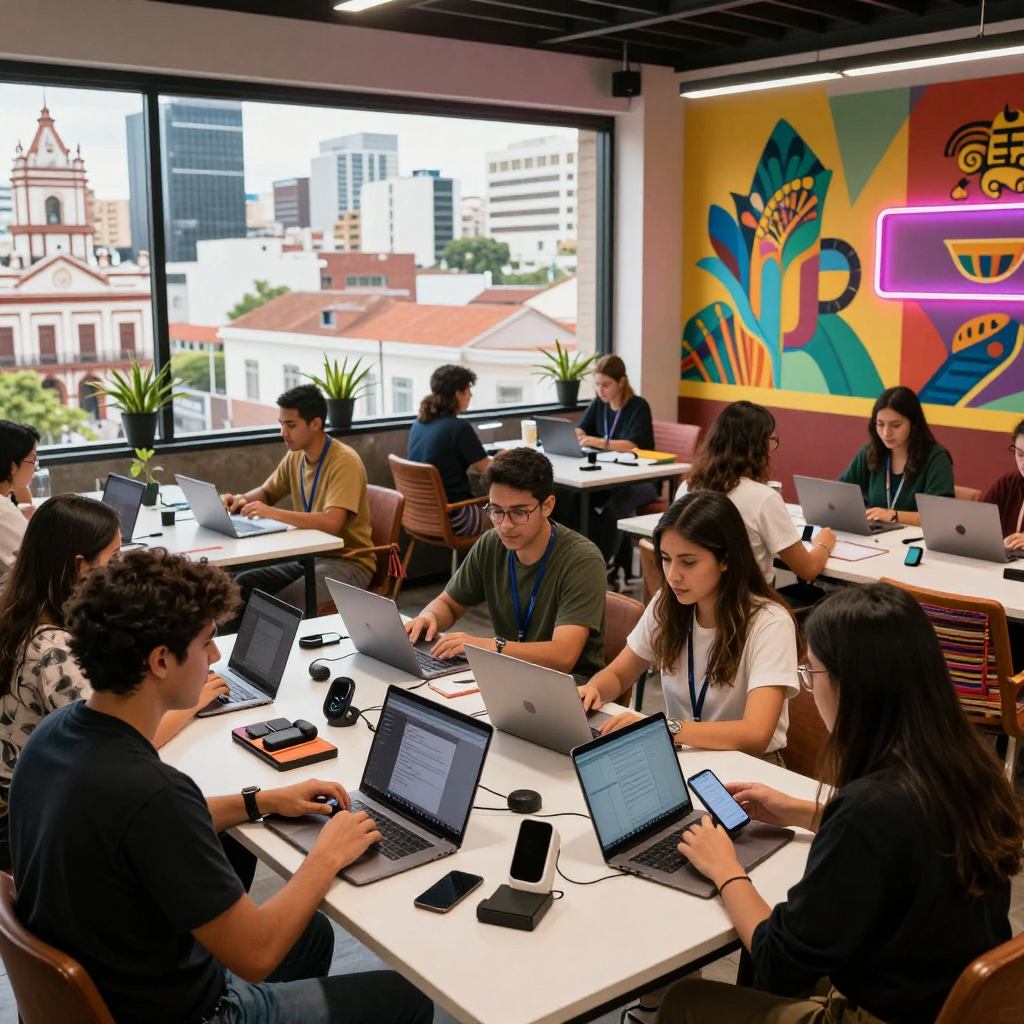
As Paraguay continues to integrate more deeply into the global economy, it is undergoing a significant phase of digital transformation aimed at enhancing connectivity and fostering innovation. The South American nation, long characterized by its rich cultural heritage and agricultural exports, is now making strides to position itself as a key player in the region's tech landscape.
The foundation of Paraguay's digital shift rests on substantial investments in telecommunications infrastructure. Recent years have seen increased collaboration between local operators and international partners to expand broadband access across urban and rural areas. This expansion is crucial for bridging the digital divide and ensuring that Paraguayans, particularly those in remote regions, can participate fully in the digital economy. According to reports from the Ministry of Industry and Commerce, the number of active internet users has grown by approximately 15% over the past three years, underscoring the effectiveness of these initiatives.
Beyond infrastructure, the focus on digital transformation is also evident in Paraguay's thriving startup scene. Asunción, the capital city, has emerged as a hub for tech entrepreneurship, hosting numerous incubators and accelerators that support early-stage companies. These initiatives have attracted both local talent and foreign investors keen on tapping into the potential of Paraguay's untapped markets. Startups in sectors such as e-commerce, fintech, and agritech are gaining traction, offering innovative solutions tailored to the country's unique challenges and opportunities.
The digital transformation efforts in Paraguay are not occurring in isolation but are part of a larger regional movement. As a member of Mercosur, Paraguay is aligning its tech policies with those of its neighbors—Argentina, Brazil, Uruguay, and Venezuela—to promote cross-border digital trade and collaboration. This alignment could enable Paraguay to leverage its strategic location and relatively lower labor costs to attract outsourced digital services and IT projects from larger economies within the bloc.
However, challenges remain. While progress is being made, issues such as data privacy regulations and cybersecurity need urgent attention to ensure a secure digital environment. Additionally, the skills gap poses a challenge, as the workforce requires upskilling to fully capitalize on new technologies. Government and private sector stakeholders are addressing these concerns through targeted education programs and partnerships with regional training institutions.
In conclusion, Paraguay's journey toward digital transformation represents a pivotal moment for the country's economic development and regional integration. By investing in robust telecommunications networks and nurturing a vibrant startup ecosystem, Paraguay is setting the stage to become a significant player in Mercosur's evolving digital landscape. As the nation continues to chart its course, the watchful eyes of international business communities will undoubtedly observe how these initiatives translate into tangible growth and connectivity.