Paraguay Expands Investment Reforms to Attract Foreign Capital
The Paraguayan government has introduced sweeping economic reforms aimed at boosting investor confidence and attracting foreign direct investment. These measures could have significant implications for regional trade within Mercosur.
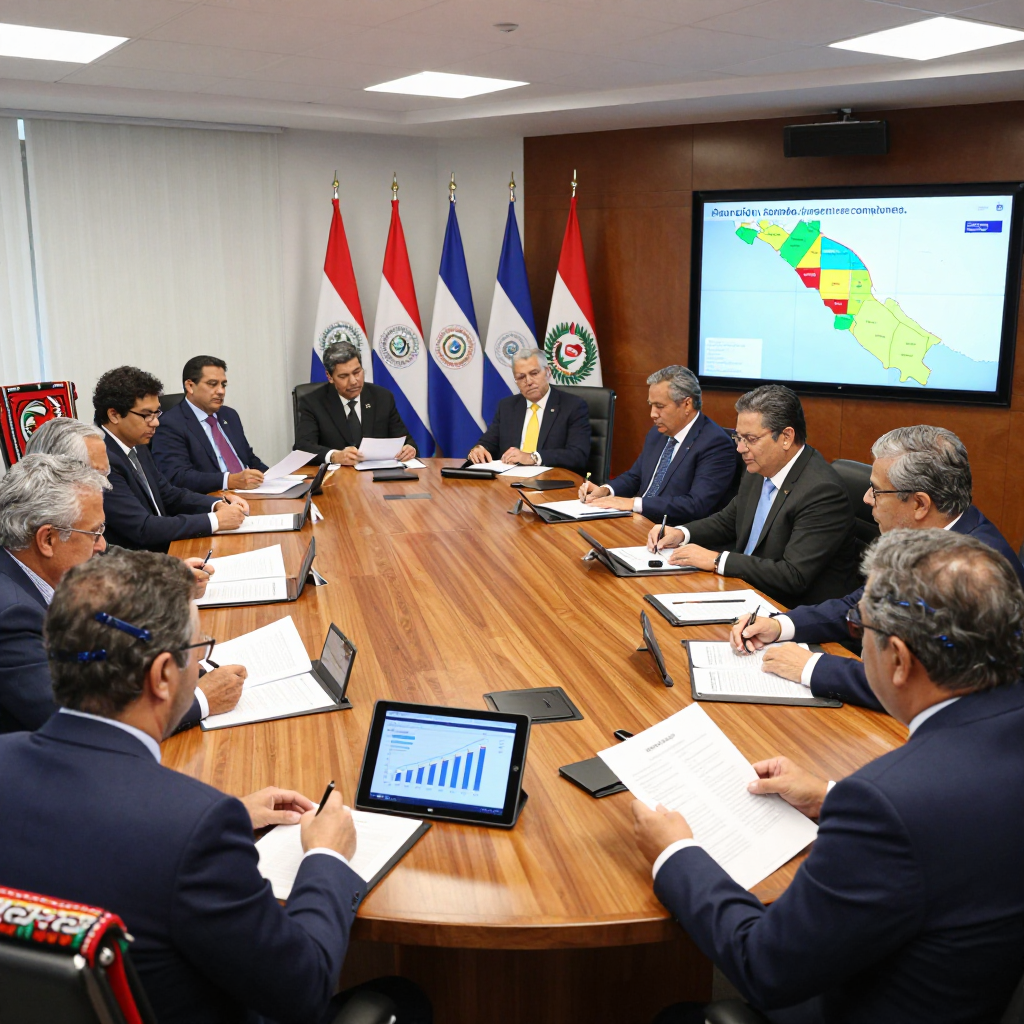
In an effort to revitalize its economy and position itself as an attractive destination for international businesses, the Paraguayan government recently passed a series of legislation aimed at simplifying regulatory frameworks and improving transparency. These reforms were spearheaded by key ministers and discussed extensively during congressional sessions, reflecting a commitment to enhancing Paraguay's appeal to global investors.
At the heart of these changes is a focus on streamlining bureaucratic processes, reducing corporate taxes, and offering incentives for sectors such as renewable energy and agribusiness. According to analysts, these policies could lead to increased foreign investment inflows, particularly from neighboring countries and major trading partners within the Mercosur bloc.
One of the most notable aspects of the new legislation involves creating special economic zones designed to offer tax benefits and simplified customs procedures. This initiative is intended to attract industries that require large-scale infrastructure and resources, such as manufacturing and logistics hubs. The creation of these zones aligns with Paraguay's strategic goal of becoming a regional gateway for goods moving between South America and other continents.
Additionally, the government has emphasized the importance of digital transformation and has launched initiatives to improve internet connectivity and cybersecurity standards. This push for technological modernization is seen as crucial for attracting tech-driven investments and ensuring that Paraguay keeps pace with neighboring economies.
Regional analysts note that these reforms could strengthen Paraguay's role within Mercosur. As part of the trading bloc, Paraguay stands to benefit from increased trade volumes if it can establish itself as a reliable partner for cross-border transactions. However, challenges remain, including longstanding issues related to corruption perceptions and infrastructural limitations.
Business leaders in Asunción have expressed cautious optimism about the government's reforms, highlighting the need for consistent implementation and monitoring to ensure long-term success. While some concerns persist regarding the pace of change and potential legislative hurdles, many believe that Paraguay is taking important steps towards creating a more favorable environment for business growth.
Looking ahead, the effectiveness of these policies will likely depend on how quickly they can be implemented and whether they resonate with international investors. As Paraguay continues to navigate the complexities of its economic reform agenda, the country's future trajectory within Mercosur and beyond remains a closely watched development in the region.