Paraguay Navigates Digital Transformation Amid Regional Tech Growth
As neighboring countries in Mercosur embrace digital innovation, Paraguay is gradually adopting advanced technologies, focusing on telecommunication upgrades and startup growth. However, challenges such as infrastructure gaps and regulatory hurdles continue to shape its path toward a more digitized future.
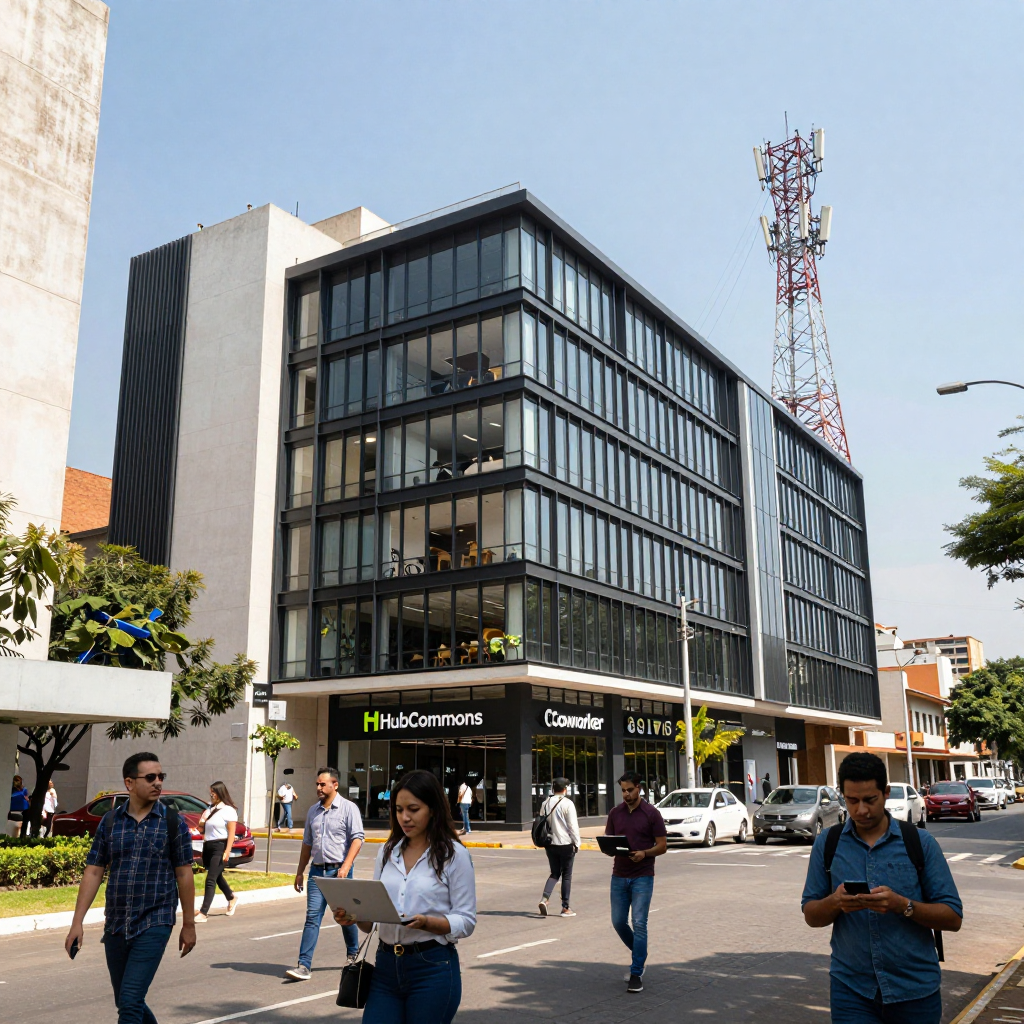
Asunción, Paraguay — In recent years, Paraguay has been making strides in embracing digital transformation, aligning with broader trends across Mercosur nations. The country’s efforts to modernize its telecommunications infrastructure and foster tech startups are signaling a shift toward greater technological integration. However, Paraguay still faces unique challenges that could impact its progress on this journey.
The foundation of Paraguay’s digital ambitions lies in its telecommunications sector. Significant investments in expanding broadband coverage have been a priority, as the government seeks to address one of the key barriers to technology adoption: access. According to the latest data from the National Telecommunications Commission (Conatel), internet penetration rates remain below those of neighboring countries, underscoring the need for further investment. Despite these limitations, private sector initiatives have accelerated progress, with companies like Tigo and Personal expanding their fiber optic networks and installing 4G LTE capabilities across urban centers. This push towards enhanced connectivity not only supports digital services but also positions Paraguay as a potential hub for regional data transmission within Mercosur.
In parallel, the startup ecosystem in Paraguay has shown encouraging signs of development. Asunción is emerging as a focal point for local entrepreneurs, with co-working spaces like HubCommons and Coworker providing resources and mentorship to young innovators. Many startups are focused on solving domestic challenges through technology, such as fintech solutions addressing financial inclusion and e-commerce platforms catering to small businesses. "There is a growing sense of optimism among tech entrepreneurs in Paraguay," said Juan Martínez, a venture capitalist based in Asunción. "While the market may be smaller compared to Brazil or Argentina, there's a clear opportunity to build scalable solutions that can later expand regionally."
However, significant obstacles persist. Regulatory frameworks in areas like data privacy and cybersecurity are still evolving, raising concerns among investors andtech firms looking to establish operations in Paraguay. Additionally, the cost of doing business remains relatively high due to logistical inefficiencies and limited access to venture capital. These factors contribute to a slower pace of innovation compared to its Mercosur counterparts.
Despite these challenges, analysts suggest that Paraguay's proximity to larger markets like Brazil and Argentina gives it an advantage in leveraging regional expertise and partnerships. For instance, several Brazilian tech companies have expressed interest in outsourcing software development to Paraguay, seeing it as a strategic entry point intoMercosur. Furthermore, the Paraguayan government has initiated discussions on creating tax incentives for tech startups and foreign investors, which could stimulate further growth.
Looking ahead, Paraguay’s digital transformation will likely proceed at a steady pace, driven by a combination of governmental support, private sector investments, and regional collaboration. While Paraguay may not lead Mercosur’s digital revolution, its gradual advancements could position it as a valuable participant in the region’s increasingly interconnected digital landscape.