Paraguay Navigates Global Trade Dynamics Amid Mercosur Shifts
Paraguay is strategically positioning itself within the Mercosur bloc as global trade dynamics shift, seeking to balance its internal economic needs with regional and international partnerships. Analysts highlight potential opportunities and challenges as the country seeks to bolster its diplomacy and trade relations.
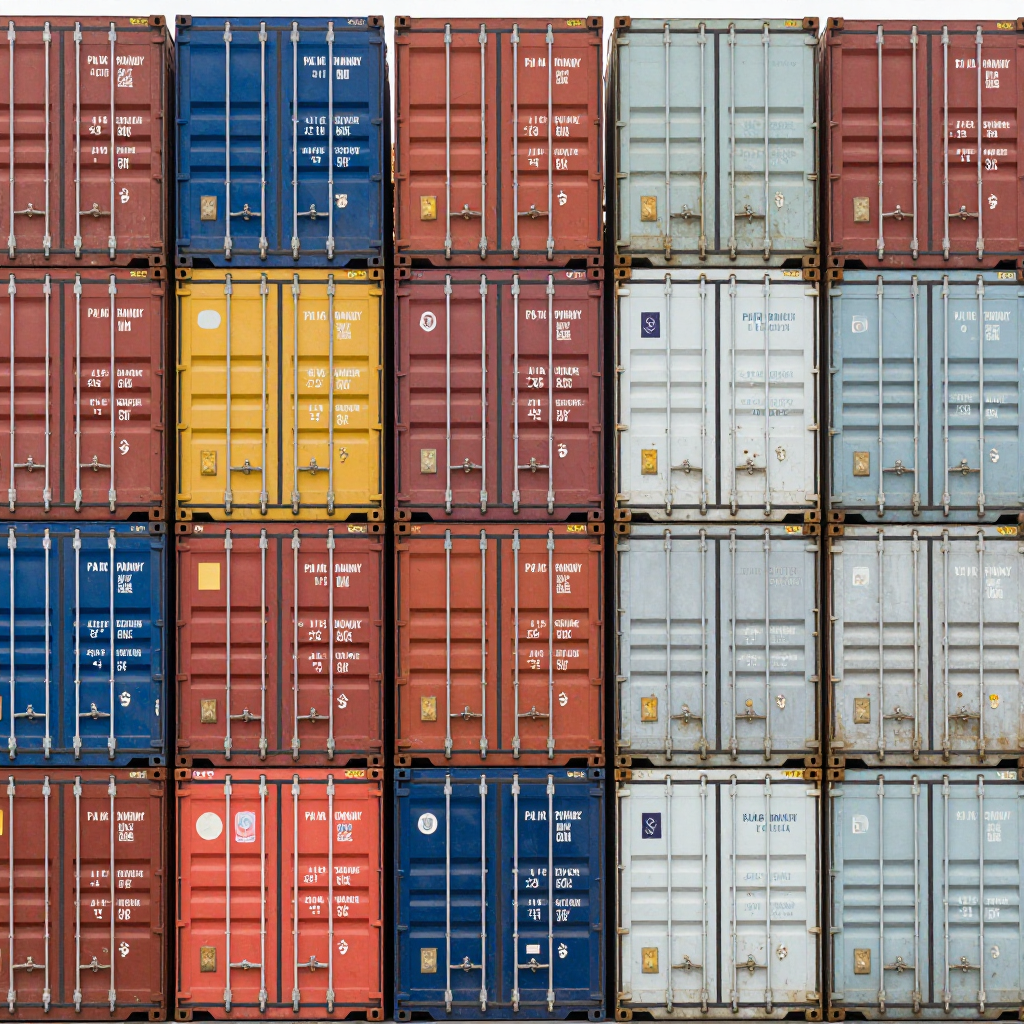
As global trade tensions continue to evolve, Paraguay finds itself at a critical juncture, leveraging its membership in the Mercosul trading bloc (Mercosul being the Portuguese spelling used in Brazil) to navigate the complexities of the international market. With a focus on regional integration and expanding its global trade footprint, Paraguay is actively pursuing strategies that align with both its domestic economic imperatives and broader diplomatic objectives.
Mercosul, comprising Brazil, Argentina, Uruguay, and Paraguay, has long been a cornerstone of South America's economic landscape, providing a framework for tariff-free trade among member states. However, recent shifts within the bloc—such as Brazil's growing trade agreements with non-Mercosul nations, including China and the European Union—have prompted analysts to reassess Paraguay’s role within this dynamic setting. While Brazil remains the largest economic driver within Mercosul, Paraguay, though smaller in scale, holds significant strategic importance due to its geographic position and agricultural exports, particularly soybeans and meat products.
From a diplomatic standpoint, Paraguay is keenly aware of the need to diversify its trade relationships beyond Mercosul. In recent months, the Paraguayan government has engaged in discussions with countries outside the bloc, such as the United States and other Asian nations, to explore opportunities for enhanced bilateral trade agreements. This approach reflects a pragmatic strategy to mitigate risks associated with potential changes in Mercosul policies and to capitalize on emerging global markets. Paraguay's interest in deepening ties with the US, in particular, underscores its aspiration to integrate more effectively into the North American market while maintaining strong regional alliances.
Economic experts in Asunción have noted that Paraguay’s policymakers face a delicate balancing act: maintaining harmony within Mercosul while pursuing its own economic interests. Efforts to modernize infrastructure, improve logistics, and enhance trade facilitation mechanisms are central to these ambitions. Recent investments in transportation networks, including railways and highways, aim to streamline the movement of goods to key ports, thereby boosting export competitiveness. Additionally, Paraguay has been proactive in digital trade initiatives, recognizing the importance of e-commerce and data flows in the modern global economy.
Looking ahead, Paraguay’s ability to navigate the evolving trade environment will depend significantly on its capacity for innovation and adaptability. As it seeks to strengthen its position within Mercosul and engage globally, the country must also address domestic challenges, such as improving regulatory frameworks and fostering private sector partnerships. Analysts predict that successful navigation of these dynamics could position Paraguay as a resilient and flexible player in both regional and international trade, capitalizing on its natural resources and strategic location.
Ultimately, while Paraguay contends with external uncertainties, its commitment to economic reform and diplomatic engagement signals a forward-looking approach. By striking a balance between regional collaboration and global outreach, the nation aims to secure sustainable growth and stability in an increasingly interconnected world.