Paraguay Poised to Strengthen Trade Ties Within Mercosur Through Enhanced Investment Incentives
Paraguay continues its efforts to bolster its economic standing within Mercosur by implementing new strategies aimed at attracting foreign investment. These initiatives come as the country seeks to leverage its strategic position in the Southern Cone and capitalize on regional integration opportunities.
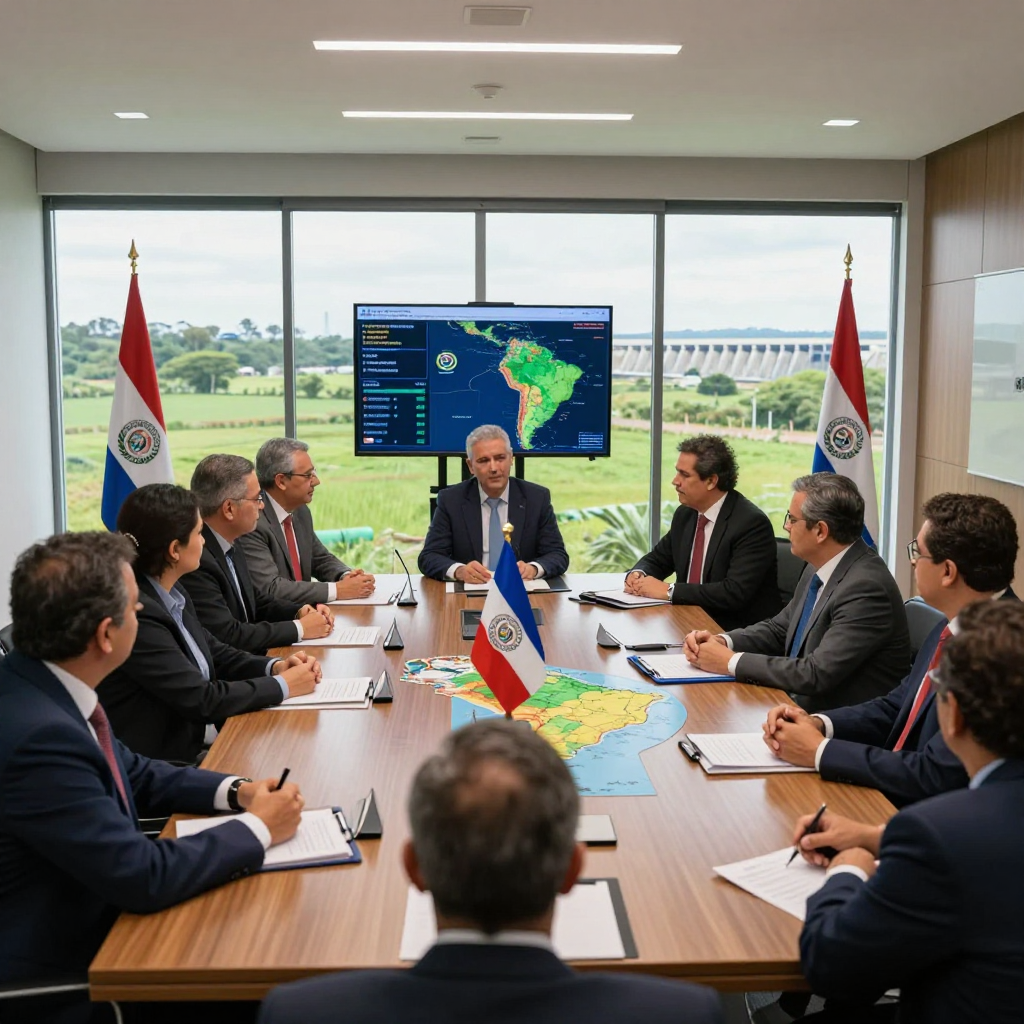
As Paraguay navigates the evolving landscape of global trade, the nation has recently introduced a series of measures designed to enhance its attractiveness to international investors, particularly within the Mercosur bloc. These efforts reflect Paraguay's commitment to strengthening its economic ties across South America and positioning itself as a key player in the region's growing trade network.
The latest development involves the introduction of revised investment incentives that target sectors such as agribusiness, energy, and infrastructure. These industries have been identified as crucial for Paraguay's long-term growth and integration into Mercosur's broader economic vision. Analysts suggest that these incentives could significantly boost foreign direct investment (FDI) inflows, which have historically lagged behind those of neighboring countries within the bloc.
One of the focal points of Paraguay's strategy is the optimization of its agricultural sector, leveraging its fertile land and favorable climate. The country aims to become a leading exporter of food products to Mercosur markets, potentially solidifying trade relationships with Brazil, Argentina, and Uruguay. Experts note that Paraguay's emphasis on sustainable farming practices may also appeal to environmentally conscious investors.
In addition to agribusiness, the energy sector presents another significant opportunity for Paraguay. The nation has one of the highest rates of hydroelectric power generation per capita globally, thanks to its vast water resources. Recent investments in renewable energy infrastructure not only bolster domestic energy security but also make Paraguay an attractive destination for energy-related investments, including green technology partnerships.
However, challenges remain. Regulatory hurdles and logistical constraints continue to pose risks for potential investors. Paraguay's government has acknowledged these issues and is working to streamline processes to facilitate smoother operations for foreign firms. Efforts include improving transparency and reducing bureaucratic delays, which analysts believe are essential for creating an investor-friendly environment.
From a regional perspective, Paraguay's economic progress within Mercosur could have far-reaching implications. Increased trade flows and investment within the bloc could lead to enhanced economic cooperation and stability. Additionally, Paraguay's success in attracting investment may serve as a model for other smaller economies looking to integrate more effectively into larger trading networks.
Looking ahead, Paraguay's focus on integrating its strengths—agriculture, energy, and strategic geographic positioning—with modern investment strategies aligns with Mercosur's goals of fostering sustainable development and economic resilience. While challenges persist, the momentum behind these initiatives suggests a promising trajectory for Paraguay's role in shaping the future of Mercosur's economic landscape.