Paraguay's Cultural Renaissance Bolsters Arts Scene Amid Regional Economic Growth
As Paraguay continues to navigate its economic landscape within Mercosur, the country is witnessing a notable resurgence in its cultural and artistic sectors, driven by increased public investment and private initiatives. This development not only highlights Paraguay's rich heritage but also positions it as a significant cultural hub in South America.
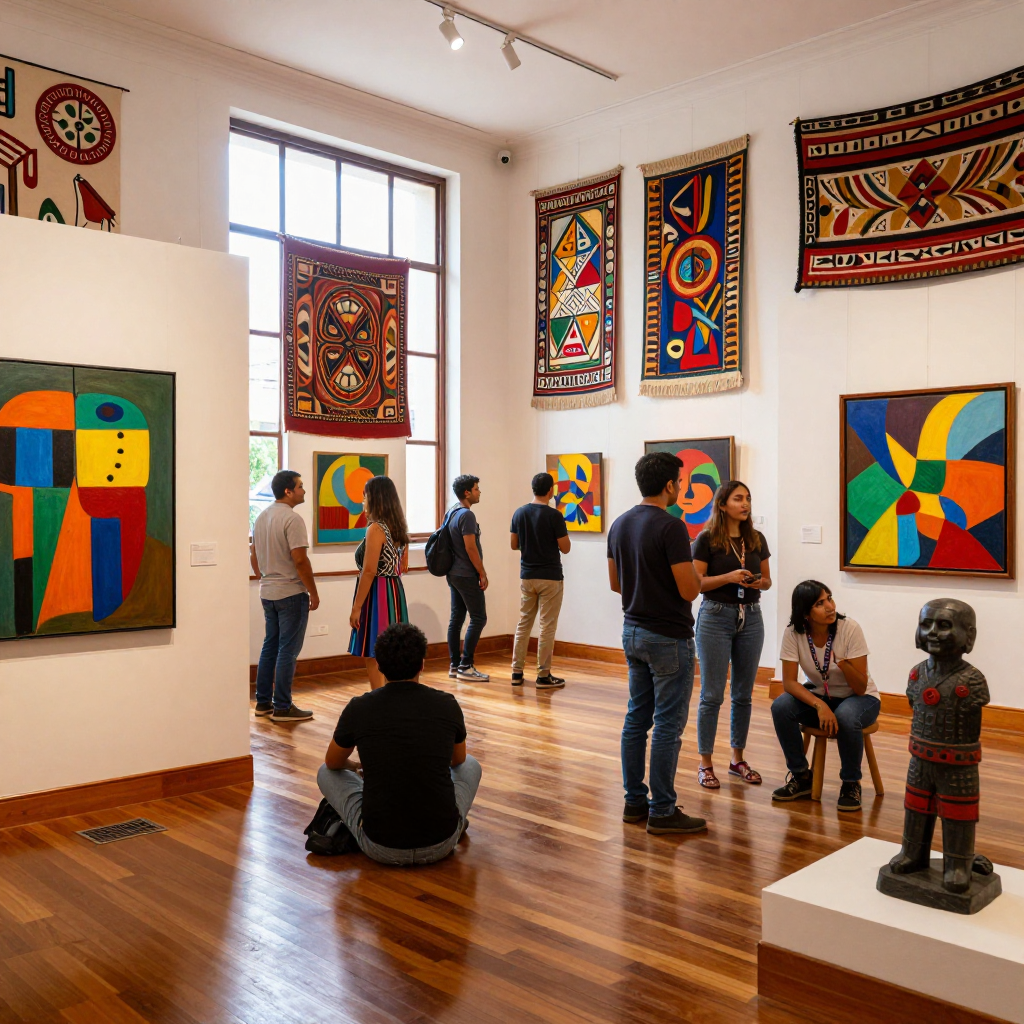
Asunción, Paraguay - In recent years, Paraguay has been experiencing a vibrant cultural renaissance that is reshaping the perception of the nation both domestically and internationally. This surge in cultural activity is occurring against the backdrop of broader regional economic growth, particularly within the Mercosur trade bloc, which includes Brazil, Argentina, Uruguay, and Paraguay itself. Analysts suggest that Paraguay's cultural revival could serve as a catalyst for attracting foreign investment and tourism, further solidifying its role as a key player in the region.
Central to this cultural revitalization is the renewed focus on preserving and promoting indigenous art forms and traditions. The National Cultural Institute, alongside various local governments, has launched several initiatives aimed at supporting artists and artisans from marginalized communities. These efforts have led to the establishment of galleries and performance spaces dedicated to showcasing traditional Paraguayan crafts, music, and dance. Notably, the rise of contemporary art exhibitions featuring works influenced by Guarani culture has captured international attention, drawing collectors and enthusiasts worldwide.
Education plays a pivotal role in this cultural transformation. The Ministry of Education recently implemented programs that integrate traditional Paraguayan arts into school curricula, emphasizing the importance of cultural awareness and preservation from an early age. These initiatives aim to foster a new generation of creative thinkers while ensuring that Paraguay's rich cultural heritage remains alive and relevant.
In terms of regional implications, Paraguay's cultural developments align with broader trends within Mercosur, where countries are increasingly recognizing the economic potential of cultural tourism. According to the World Bank, cultural tourism can generate up to 10% of GDP for nations that effectively harness their cultural assets. As Mercosur member states collaborate more closely on trade and infrastructure projects, Paraguay's cultural offerings could position it as a unique destination for tourists seeking authentic experiences in South America.
Furthermore, private sector involvement has been instrumental in amplifying Paraguay's cultural presence. Corporations like Itaipu Binacional, the hydroelectric power company jointly owned by Paraguay and Brazil, have funded cultural festivals and educational workshops. Such collaborations demonstrate how public-private partnerships can drive sustainable cultural development, benefiting both local communities and the national economy.
Looking ahead, experts predict that continued investment in Paraguay's cultural sectors could lead to significant economic dividends, particularly in tourism and creative industries. As the global community seeks out authentic cultural experiences, Paraguay's blend of tradition and innovation may prove to be a powerful draw. With careful planning and strategic execution, Paraguay could emerge as a leading cultural destination within Mercosur, reinforcing its position as a dynamic and resilient nation.