Paraguay's Economic Reforms Spark Debate Over Trade Policies Amid Mercosur Tensions
The Paraguayan government has introduced new economic reforms aimed at boosting competitiveness and attracting investment, but the measures have sparked debate both domestically and within the Mercosur trading bloc over their potential impact on trade relations.
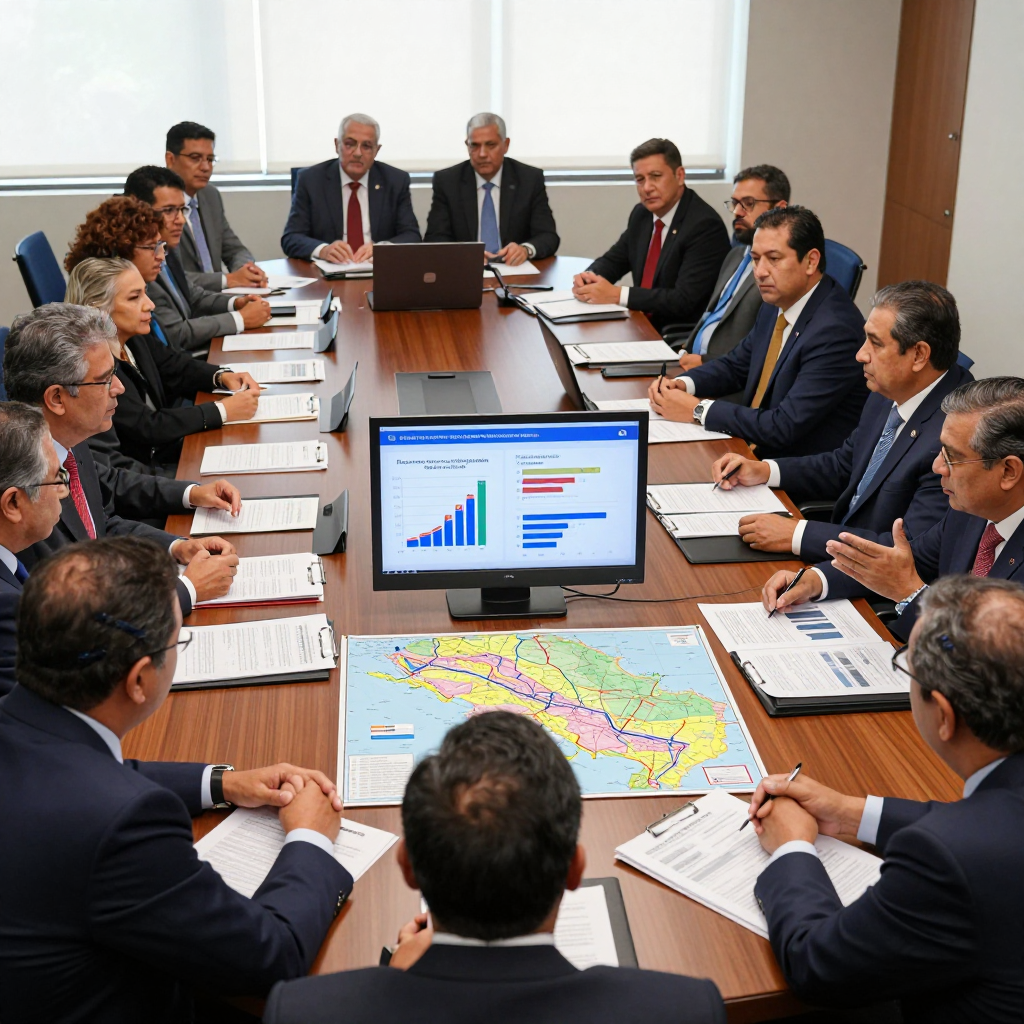
Asunción, Paraguay — In recent weeks, the Paraguayan government has unveiled a series of significant economic reforms intended to enhance the country's appeal as a hub for international businesses and investors. These reforms include a reevaluation of tax incentives, improvements in regulatory frameworks, and efforts to streamline trade processes. However, these initiatives have not been without controversy, particularly as they intersect with the broader dynamics of the Mercosur trade bloc, which includes Brazil, Argentina, Uruguay, and Paraguay itself.
At the heart of the discussion is Paraguay's strategy to balance its role within Mercosur while also pursuing independent economic policies that could potentially attract more global partners. Analysts observe that these reforms could lead to increased foreign direct investment (FDI) flows into sectors such as agribusiness, energy, and infrastructure, areas where Paraguay already holds competitive advantages due to its natural resources and strategic location.
Within Congress, debates have centered around whether these reforms adequately address concerns from local stakeholders, including small and medium-sized enterprises (SMEs) and agricultural cooperatives. Critics argue that while the focus on investor-friendly policies is commendable, there remains a need for measures that protect domestic industries and ensure equitable distribution of benefits across all sectors of the economy.
From a regional perspective, Mercosur members are closely watching Paraguay's moves. Some analysts suggest that if successful, Paraguay's reforms could serve as a blueprint for others in the bloc seeking to diversify their economies and boost competitiveness. However, others worry that differing approaches among member countries may exacerbate internal tensions within Mercosur, especially amid ongoing trade disputes between Brazil and Argentina.
The Paraguayan government has defended its approach, emphasizing that the reforms are designed to complement rather than undermine Mercosur’s shared goals. Officials have highlighted the importance of maintaining harmonious relationships with neighboring countries while simultaneously addressing Paraguay's unique economic challenges and opportunities.
Economists and policymakers are closely monitoring the implementation phase of these reforms, noting that their success will depend on factors such as effective coordination between government agencies, transparent communication with stakeholders, and the ability to navigate complex geopolitical shifts in the region. For now, Paraguay stands at a crossroads, balancing its aspirations for greater economic autonomy with its commitments to regional integration.