Paraguay's Policy Shifts Spark Debate Over Mercosur Integration
The Paraguayan government has recently introduced policy changes aimed at boosting local industries and attracting foreign investment, which could alter its integration strategy within Mercosur. Critics argue that these moves may strain relations with fellow regional members as Paraguay seeks to differentiate itself economically.
Asunción, Paraguay – In a significant move that could reshape its economic landscape, the Paraguayan government has announced several policy initiatives designed to bolster local manufacturing and attract foreign investment. This shift comes amid ongoing discussions about the country's position within Mercosur, the Southern Common Market, which includes Argentina, Brazil, Uruguay, and Venezuela.
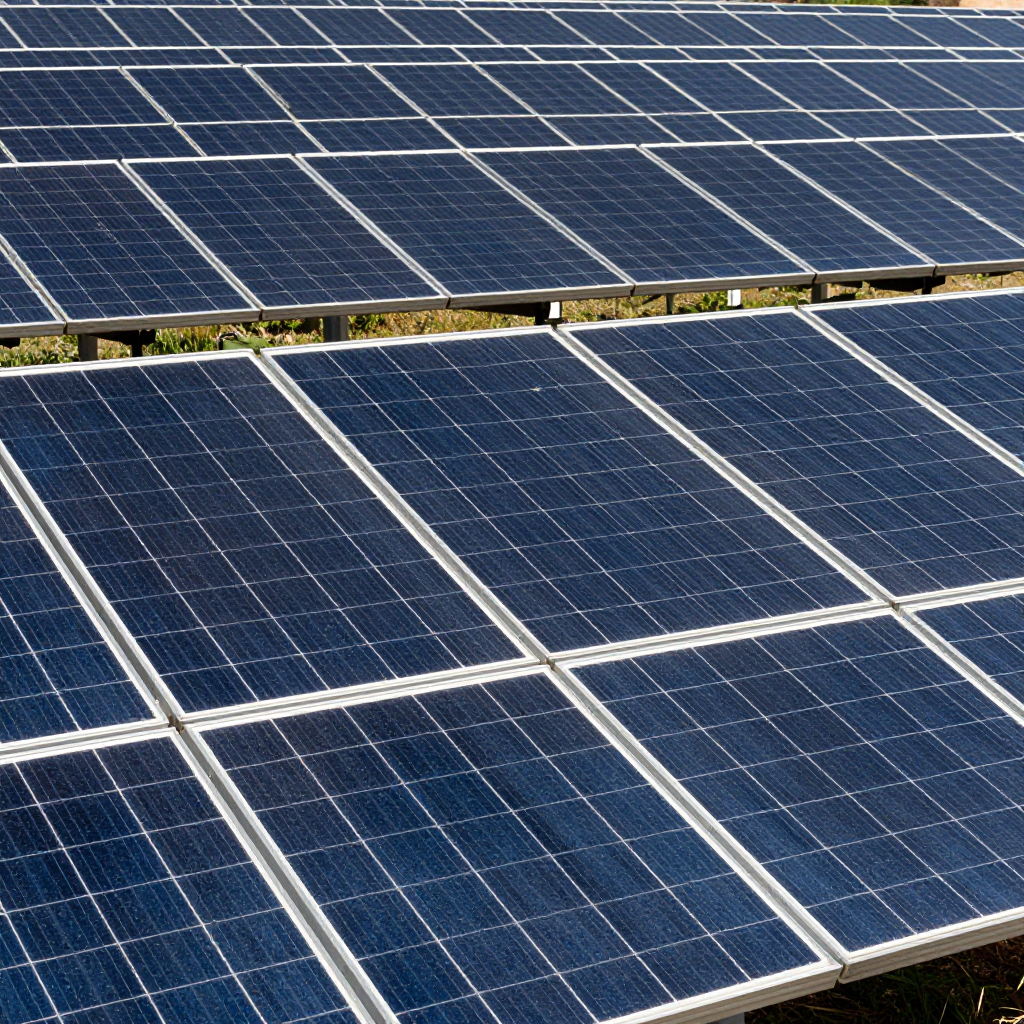
The latest policies focus on providing tax incentives for businesses operating in priority sectors such as agribusiness, renewable energy, and technology. These incentives aim to reduce operational costs and encourage domestic production, potentially easing reliance on imported goods. Government officials have stated that these measures are part of a broader strategy to enhance Paraguay's competitiveness both domestically and internationally.
However, analysts caution that these steps might lead to tensions within Mercosur. While Paraguay has long benefited from trade agreements under the bloc, some experts suggest that the new policies could be seen as protectionist by neighboring countries. This could complicate existing trade dynamics and prompt calls for reforms within Mercosur.
Economic experts point out that Paraguay’s decision to prioritize domestic industries aligns with global trends where many developing nations are reassessing their strategies to ensure sustainable growth. However, in a region heavily dependent on harmonized trade policies, Paraguay’s actions could set a precedent for other member states to pursue more localized approaches.
Internationally, the move is being watched closely by investors and multinational corporations assessing opportunities in South America. While Paraguay remains committed to its Mercosur membership, the focus on self-reliance could signal a recalibration of its priorities. This could impact its relationships with key trading partners and influence future negotiations within the bloc.
Local economists argue that while there are risks, Paraguay’s approach is necessary to safeguard its economic sovereignty and encourage diversification away from traditional export-driven models. They emphasize the need to balance development goals with maintaining strong regional ties.
In conclusion, as Paraguay navigates these policy shifts, it faces a delicate balancing act between leveraging Mercosur benefits and pursuing independent strategies to stimulate growth. The outcome will not only define Paraguay’s economic trajectory but could also influence how Mercosur adapts to evolving global economic realities.