Paraguay's Thriving Indigenous Art: A Bridge Between Heritage and Modernity
The Paraguayan art scene is witnessing a revival of indigenous aesthetics merging with contemporary influences. This cultural resurgence is offering a unique perspective on the country's rich history and its place in a modern, globalized world.
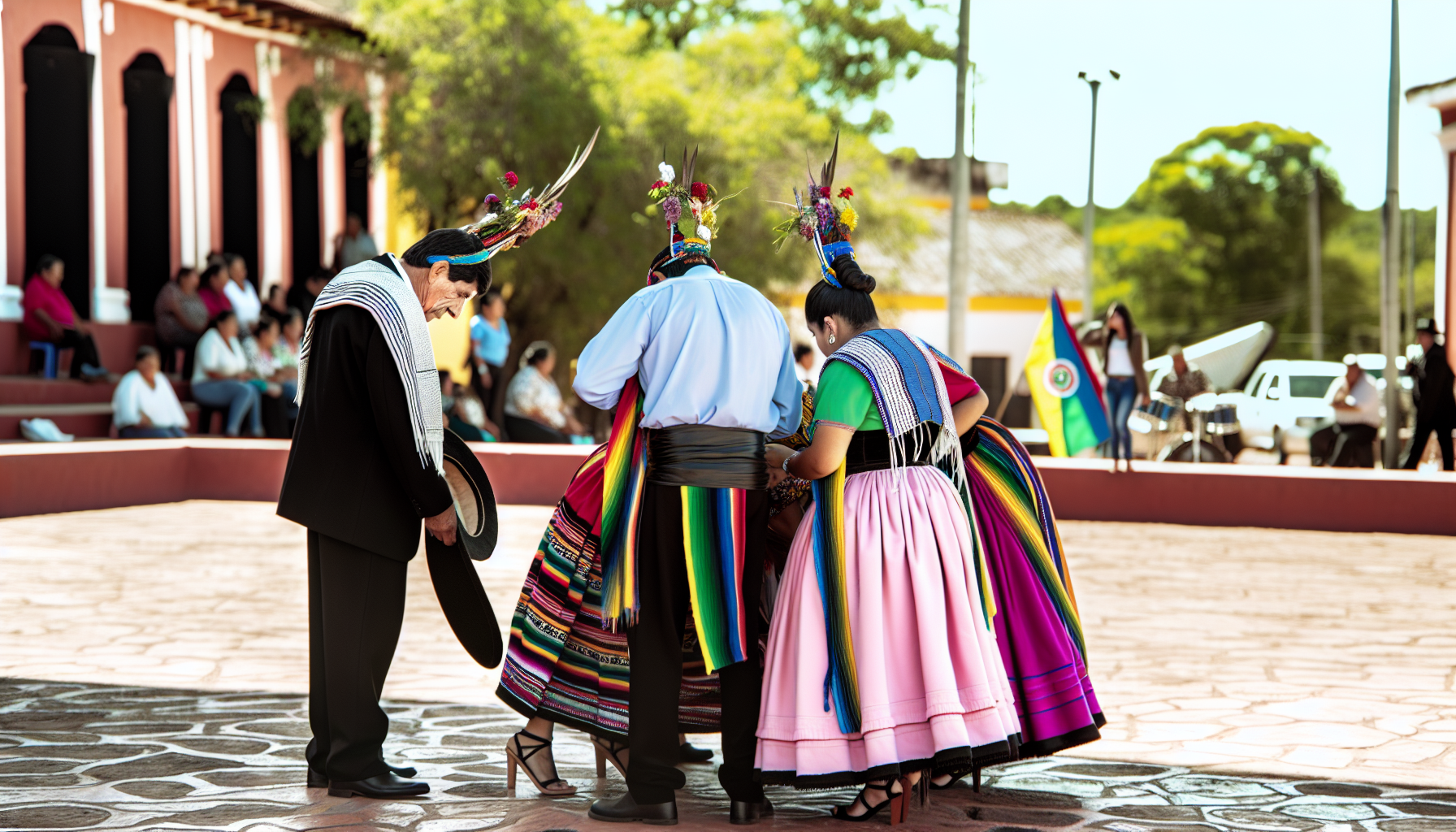
Paraguay, a landlocked country in the heart of South America, is experiencing a cultural resurgence. Its rich history and indigenous roots are being reimagined through the lens of modernity, bringing a fresh, vibrant perspective to the international art scene.
The indigenous Guarani culture, which has profoundly influenced Paraguay's national identity, is experiencing a renaissance in the realm of art. As a country with a unique bilingual culture where Guarani and Spanish are both official languages, Paraguay's art is intrinsically tied to its linguistic diversity.
The rise of indigenous art is not only a testament to Paraguay's cultural richness but is also driving a new wave of tourism. International visitors are drawn to the uniquely Paraguayan experience, where the ancient and the modern intertwine in a harmonious blend of color, texture, and narrative.
This cultural resurgence is not confined to the art scene. Paraguay's education system is also witnessing the integration of indigenous knowledge and contemporary pedagogy. Schools across the country are incorporating Guarani language and culture into their curriculum, fostering a sense of national identity and cultural continuity among the younger generation.
Moreover, the country's societal fabric is woven with threads of indigenous wisdom. Time-honored traditions and practices, from agriculture to community organization, continue to shape Paraguay's social landscape.
Yet, the resurgence of indigenous culture and art is not without its challenges. As Paraguay navigates its path in the globalized world, it must balance the preservation of its rich heritage with the demands of modernity.
Analysts suggest that the country's future lies in its ability to embrace its dual identity. By acknowledging its indigenous roots while welcoming contemporary influences, Paraguay could solidify its place on the global stage. This cultural dynamism may be the key to unlocking Paraguay's potential, strengthening its economy, deepening its societal cohesion, and enriching its educational landscape.
In essence, Paraguay's richness lies not in its economic prowess, but in the depth of its cultural heritage. As the country continues to weave its past into its future, it presents a compelling narrative for the world to witness and learn from.