Paraguay's Trade Boosts Regional Integration as Mercosur Expands Opportunities
Paraguay's economy is gaining traction through strategic trade initiatives, enhancing its role within Mercosur while attracting global investors. Analysts highlight how Paraguay's agricultural exports are driving economic growth and fostering deeper integration within the Southern Common Market.
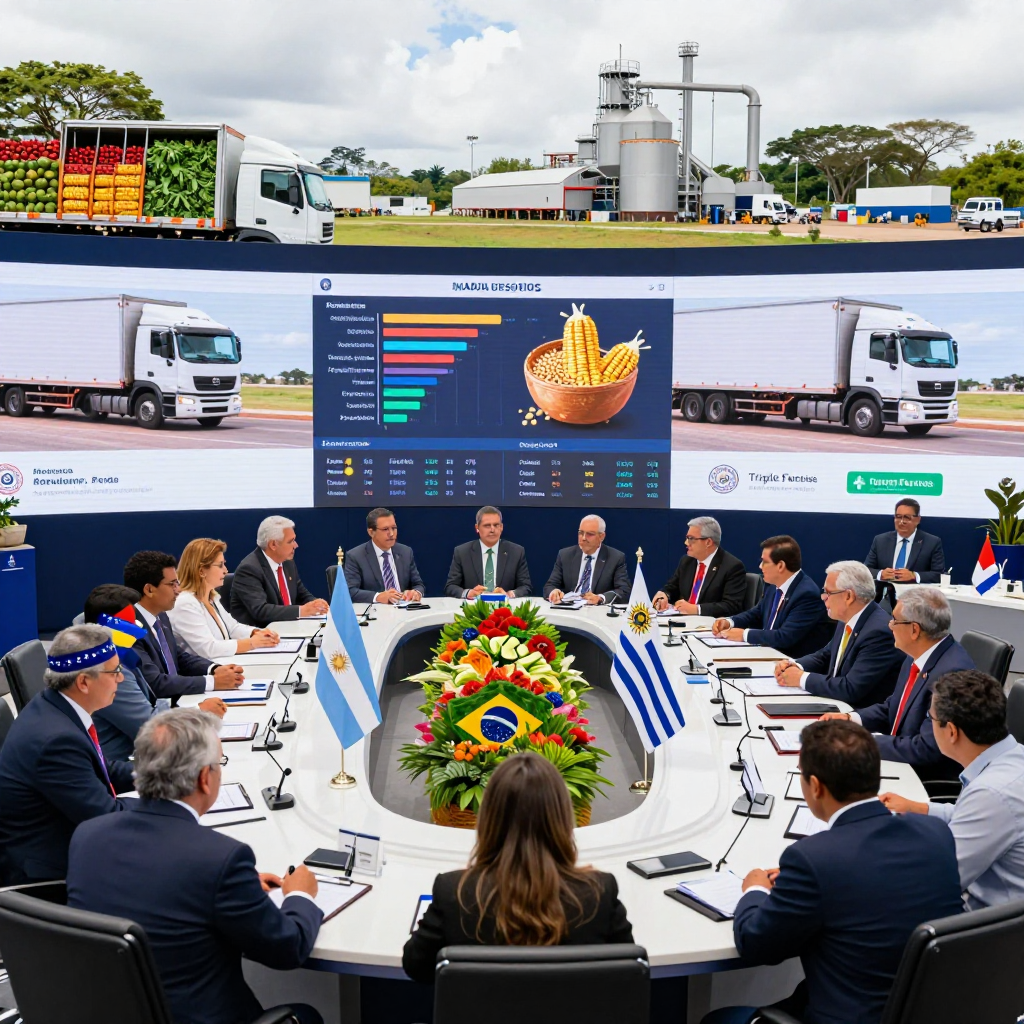
As Paraguay continues to position itself as a key player in South America's economic landscape, recent developments in its trade and investment sectors have sparked interest among international stakeholders. The country's strategic membership in Mercosur has been instrumental in advancing its economic agenda, as evidenced by robust agricultural export figures and increasing foreign direct investments (FDI). This momentum not only bolsters Paraguay's domestic economy but also strengthens its ties with neighboring Mercosur members—Argentina, Brazil, Uruguay, and Venezuela—as well as broader global markets.
Agricultural exports remain at the forefront of Paraguay's trade dynamics. Commodities such as soybeans, corn, and beef have consistently outperformed expectations, contributing significantly to the nation's GDP. According to official data from the Ministry of Agriculture and Livestock, these sectors accounted for over 60% of total exports last year. This success can be attributed to improved infrastructure, modernization of farming techniques, and preferential trade agreements with Mercosur partners. Notably, Brazil remains Paraguay's largest trading partner within the bloc, underscoring the mutual economic dependence that characterizes their relationship.
In addition to traditional commodities, Paraguay is exploring new opportunities through industrial diversification. The establishment of free trade zones near the Triple Frontier region has drawn attention from multinational corporations seeking to capitalize on lower production costs and strategic access to Mercosur markets. These zones aim to create more high-value-added jobs and attract technology-driven industries, potentially transforming Paraguay into a manufacturing hub for the region. Analysis by experts suggests that if successfully implemented, these zones could stimulate economic growth by up to 2 percentage points over the next five years.
Moreover, Paraguay's participation in Mercosur has opened doors to additional international trade deals. The bloc's ongoing negotiations with the European Union for a free trade agreement (FTA) are seen as a potential game-changer, offering Paraguay access to a vast market of 446 million consumers. While the specifics of these negotiations remain complex, analysts agree that a successful outcome would enhance Paraguay's export competitiveness and bolster its position as a reliable trading partner.
Despite these positive developments, challenges persist. Political instability, logistical bottlenecks, and concerns over sustainable resource management continue to pose risks to Paraguay's economic trajectory. However, government initiatives aimed at streamlining bureaucratic processes and investing in critical infrastructure provide optimism for continued progress. As Paraguay navigates these hurdles, its commitment to regional integration and global partnerships remains steadfast, positioning it as a vital contributor toMercosur's overall growth and stability.
In conclusion, Paraguay's focus on strengthening trade relations within Mercosur and leveraging its agricultural strengths has solidified its role as an emerging economic force in the region. By balancing traditional sectors with innovative investment strategies, the country is poised to further integrate into the global economy while benefiting from strategic alliances and economic synergies offered by Mercosur.