Paraguay Sees Cultural Revival Through Arts Initiatives and Education Reforms
Paraguay is undergoing a cultural revival as it invests in arts initiatives and education reforms to preserve its rich heritage while fostering global connections. These efforts aim to boost tourism, attract foreign investment, and strengthen regional ties within Mercosur.
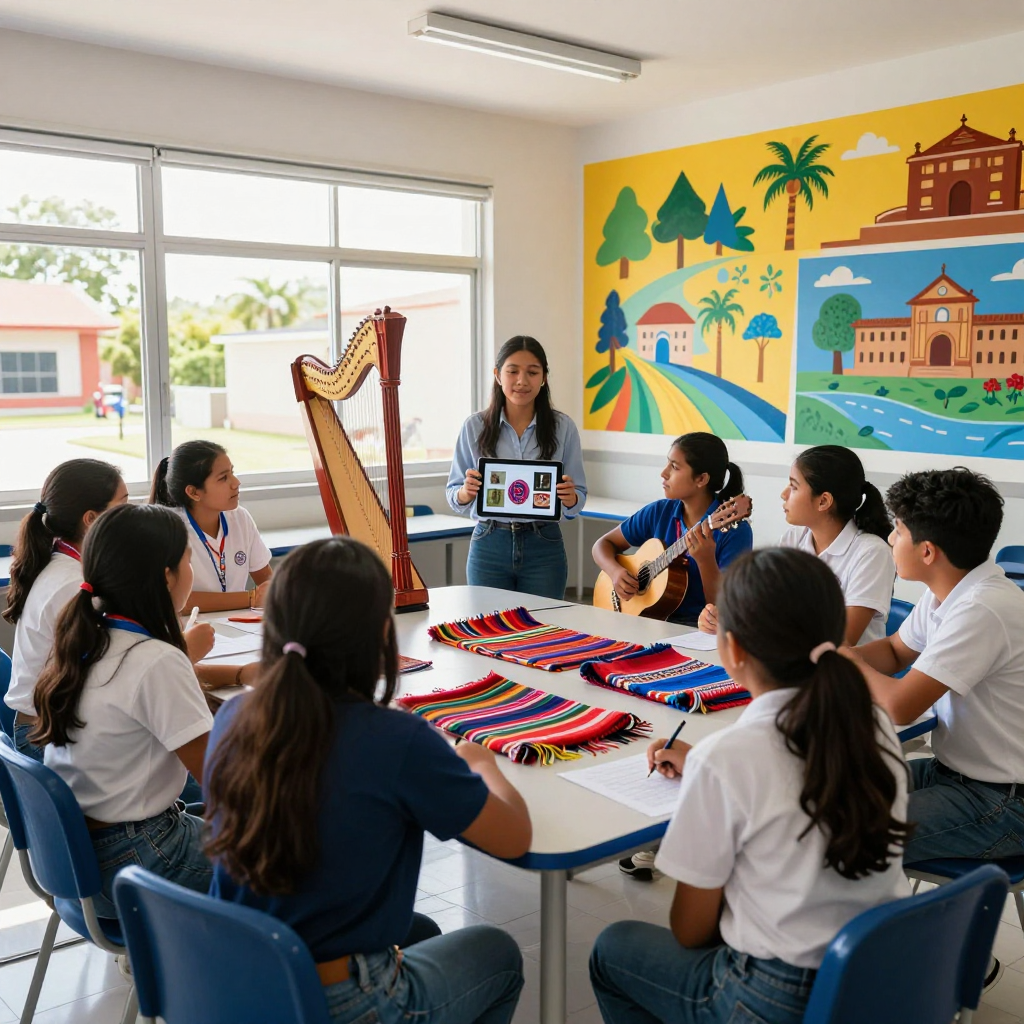
As Paraguay continues its journey towards economic diversification and regional integration, the nation is increasingly recognizing the strategic importance of its vibrant cultural landscape. In recent years, there has been a noticeable surge in both public and private sector support for arts and education initiatives that not only celebrate Paraguay's unique cultural identity but also position the country as an attractive destination for international investors and tourists.
Central to this movement is the revitalization of traditional arts, including textile weaving, music, and indigenous crafts. The Ministry of Culture has partnered with local communities to preserve these traditions through workshops, exhibitions, and digital archives. This focus on cultural preservation is seen as a key driver of sustainable tourism, which analysts believe could contribute significantly to Paraguay's GDP in the coming decade.
Education reforms play a pivotal role in this cultural renaissance. The government has introduced programs aimed at integrating cultural studies into school curricula, emphasizing the importance of bilingual education (Guarani and Spanish). These efforts are part of a broader strategy to equip young Paraguayans with skills that enable them to participate effectively in the global economy while maintaining their cultural roots. "We see education as the foundation for cultural resilience and economic growth," stated the Minister of Education during a press conference last month.
Moreover, Paraguay's cultural outreach extends beyond its borders, particularly within the Mercosur region. Collaborations with neighboring countries such as Brazil, Argentina, and Uruguay have led to joint art festivals, educational exchanges, and cultural diplomacy initiatives. These partnerships highlight the shared cultural heritage among Mercosur member states and reinforce Paraguay's role as a bridge between South America's diverse communities.
The private sector has also embraced this cultural momentum. Businesses are investing in cultural tourism projects, from eco-lodges that offer immersive cultural experiences to galleries showcasing local artists. This alignment between cultural preservation and economic development is viewed as a potential model for other developing nations seeking to balance modernization with cultural identity.
While challenges remain—such as funding constraints and the need for infrastructure improvements—the momentum behind Paraguay's cultural initiatives signals a promising future. By leveraging its rich cultural tapestry, Paraguay is not only enriching its domestic society but also positioning itself as a culturally dynamic nation within the Mercosur bloc.