Paraguay Sees Modest Economic Growth Amid Trade Challenges and Mercosur Opportunities
Paraguay's economy continues to show signs of cautious optimism, driven by agricultural exports and increased foreign direct investment. However, challenges remain as the country navigates trade relations within Mercosur and global markets.
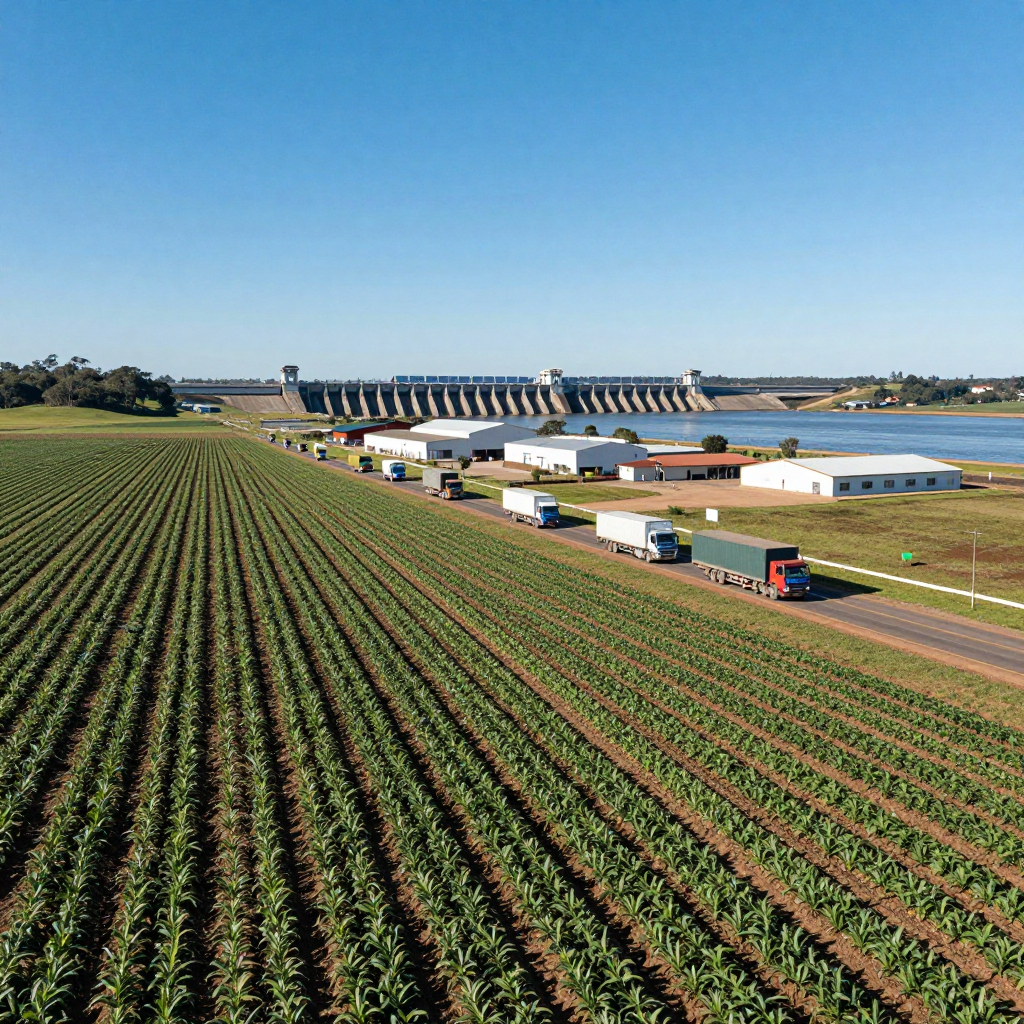
Asunción, Paraguay — Recent economic indicators suggest that Paraguay's economy is experiencing modest growth, largely buoyed by its agricultural sector and an influx of foreign direct investment (FDI). According to the latest data from the Paraguayan Central Bank, GDP growth for the first quarter of 2023 reached approximately 2.8%, driven primarily by strong performance in agriculture, which accounts for nearly half of the country’s export revenues.
Despite this positive trend, analysts caution that Paraguay remains vulnerable to external factors, including fluctuating commodity prices and trade dynamics within the Mercosur bloc. As a member of Mercosur, Paraguay's economic trajectory is closely tied to its relationships with major trading partners such as Brazil, Argentina, and Uruguay. Recent discussions among Mercosur members about tariff harmonization and trade integration could present both opportunities and challenges for Paraguay’s small but growing industrial sectors.
Foreign direct investment has been another key driver of economic activity. In particular, investments in the energy sector, especially hydroelectric projects along the Paraná River, have attracted significant interest from international investors. This has not only contributed to infrastructure development but also helped increase Paraguay’s capacity as a net exporter of electricity to neighboring countries, particularly Brazil and Argentina.
However, Paraguay faces ongoing challenges in diversifying its economy beyond agriculture. The country's manufacturing base remains limited, and efforts to attract higher-value-added industries have faced hurdles such as inadequate infrastructure and bureaucratic processes. While the government has announced plans to streamline regulations and improve logistics, progress has been slow, leaving some experts concerned about the sustainability of current growth rates.
Mercosur developments also loom large over Paraguay’s economic future. The organization’s evolving trade policies and potential expansion plans could either open new markets for Paraguayan goods or expose the country to increased competition. Analysts suggest that Paraguay may need to strengthen its negotiating position within Mercosur to protect its interests while leveraging the bloc’s collective bargaining power in global trade negotiations.
In conclusion, while Paraguay’s economic outlook appears cautiously optimistic, sustained growth will require addressing long-standing structural issues and capitalizing on regional integration opportunities. As the country looks ahead, balancing domestic reforms with strategic partnerships within Mercosur will be critical to ensuring its continued participation in the global economy.