Paraguay Sees Steady Economic Growth Amid Mercosur Trade Opportunities
Paraguay's economy continued its gradual recovery in Q3 2023, driven by robust agricultural exports and increased foreign investment. As the country looks to capitalize on its Mercosur membership, analysts highlight both opportunities and challenges ahead.
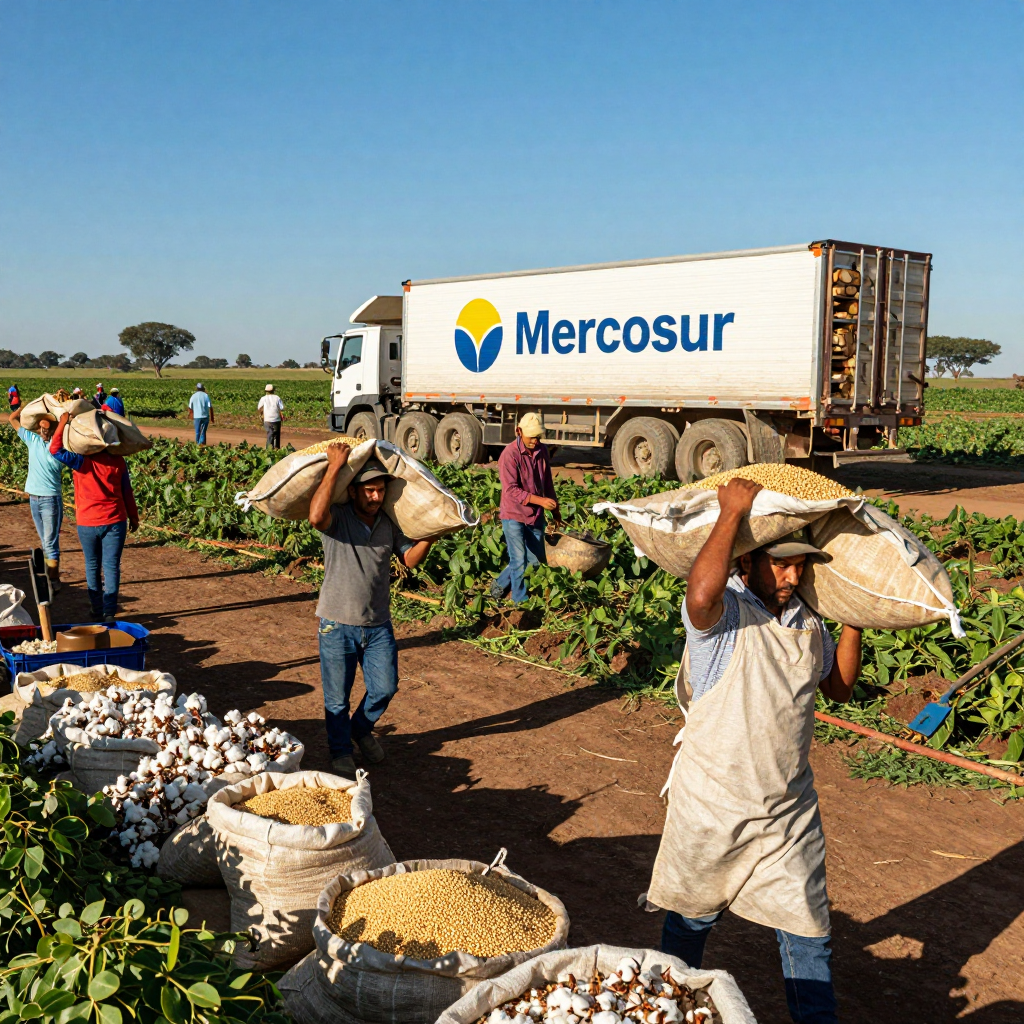
Paraguay's economy showed resilience in the third quarter of 2023, posting a steady growth rate that continues to build on gains from the previous year. This positive momentum is largely attributed to the strong performance of the agricultural sector, which accounts for a significant portion of the nation's exports. Soybeans, cotton, and timber have been key drivers, supported by favorable weather conditions and global demand. According to the Central Bank of Paraguay, the agriculture sector alone contributed over 7% to the country's GDP growth in Q3.
Trade ties within Mercosur have also played a crucial role in Paraguay's economic trajectory. As part of the regional bloc, Paraguay has leveraged preferential trade agreements to boost exports to neighboring countries such as Brazil, Argentina, and Uruguay. These intra-regional trade dynamics have not only stabilized Paraguay's foreign exchange reserves but have also helped mitigate risks associated with external market fluctuations. Analysts note that Paraguay's strategic position at the heart of South America makes it an attractive hub for logistics and supply chain operations, further cementing its role in regional trade networks.
However, despite these positives, Paraguay faces several challenges that could impact long-term growth prospects. Infrastructure deficiencies, particularly in transportation and energy sectors, continue to hinder the efficient movement of goods and services. The government has announced plans to invest heavily in infrastructure projects, including road improvements and renewable energy initiatives, which are expected to attract additional foreign direct investment (FDI). Recent reports indicate that investments from Chinese and European firms are on the rise, focusing on sectors such as agribusiness, manufacturing, and renewable energy.
From a Mercosur perspective, Paraguay's efforts to deepen trade integration align well with broader regional objectives of fostering economic cooperation. However, the ongoing political tensions within the bloc—particularly between Brazil and Argentina—are being closely watched. Some experts warn that these disputes could indirectly affect smaller economies like Paraguay, although so far, the impacts have been minimal. To navigate this complex landscape, Paraguay's Ministry of Industry and Commerce has emphasized the need for diversified trade strategies beyond Mercosur, including potential bilateral agreements with key trading partners outside the region.
In conclusion, while Paraguay's economic outlook remains cautiously optimistic, the path to sustained growth depends on overcoming internal challenges and effectively leveraging its strategic regional position. Continued engagement with Mercosur and proactive measures to enhance infrastructure could solidify Paraguay's role as a key player in South American trade dynamics.